IN PROFILE: Environmental Management and Sustainability: A Conversation with Kate Torgersen
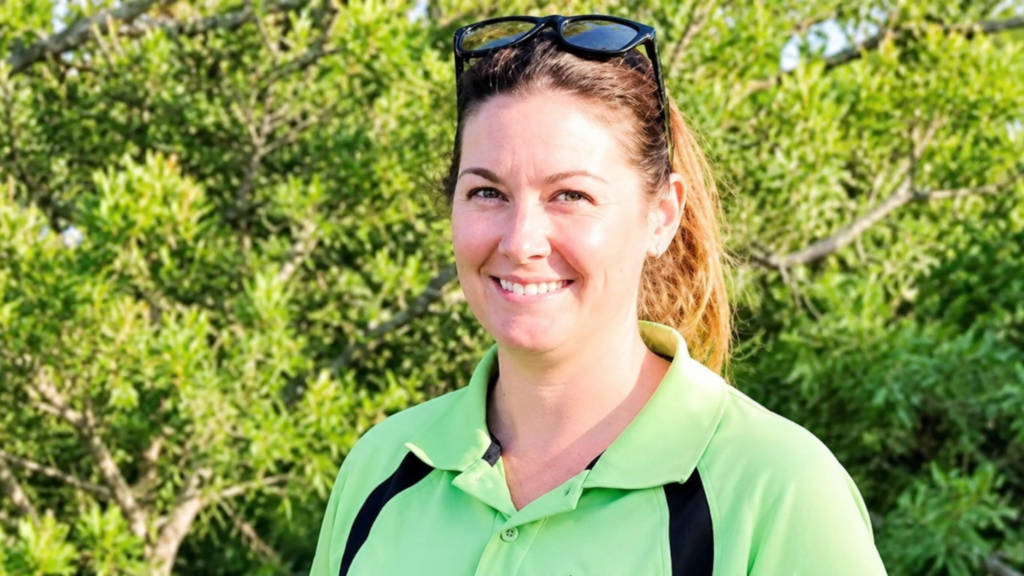
During a trip to Malaysia for an international golf industry conference, Mike Orloff sat down (in the back of a Grab, to be more specific) with Kate Torgersen, founder and director of Environmental Golf Solutions (EGS). As part of a “Field Trip in Kuala Lumpur we were heading to Tropicana Golf & Country Resort in Kuala Lumpur; the two discussed her professional background, the practical integration of biodiversity and sustainability into golf operations, and the role of data in protecting golf facilities.
Background and Experience
Torgersen began her career as an apprentice greenskeeper at Peninsula Country Club in Victoria, where she worked closely with the club’s vegetation maintenance team.
“I completed a four-year apprenticeship, and during that time I became interested in indigenous vegetation management alongside standard turf care,” Torgersen said.
She later moved to The National Golf Club in a combined role as greenkeeper and vegetation manager, overseeing an on-site propagation nursery and coordinating off-site native vegetation offsets related to the club’s driving range development. To formalize her technical background, she completed a Diploma in Conservation and Land Management and was awarded a scholarship to study golf course environmental practices in the United Kingdom, observing work by the Scottish Golf Environment Group.

After returning to Australia, Torgersen gained experience in local government conservation before returning to golf management roles at Woodlands Golf Club and Commonwealth Golf Club. During this period, she began collaborating with golf course architecture firm Ogilvy Cocking Mead (OCM). That partnership led to a major vegetation establishment project at Point Lonsdale, where she directed the planting of 150,000 native tube stock plants in coastal salt-marsh conditions.
In 2013, Torgersen established Environmental Golf Solutions to provide specialist biodiversity and sustainability consulting to golf clubs, architects, and developers. During the COVID-19 pandemic, she completed a Diploma in Sustainable Operations through a scholarship supported by Golf Australia and Victorian sports bodies, allowing the business to expand from course vegetation into broader facility audits covering clubhouses, pro shops, energy usage, and waste management systems.
Core Services and Operations
Environmental Golf Solutions divides its core services into two main operational areas: Vegetation Management and Sustainability Management.
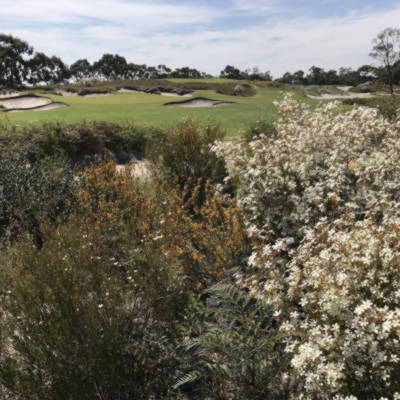
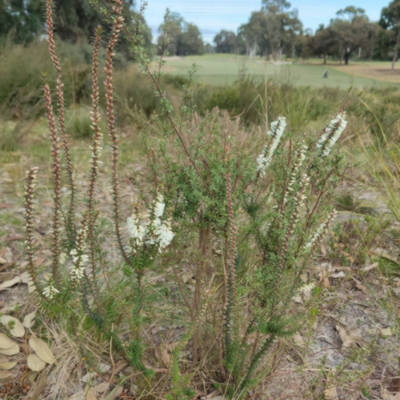
- Vegetation Management Plans (VMPs) and Site Mapping: EGS assesses course property to map remnant vegetation and identify environmental weeds. The firm designs planting plans using local indigenous tube stock, develops ongoing weed and pest animal control schedules, and assists clubs with grant and funding applications. EGS also works with Indigenous nurseries, contractors, and local volunteer networks to coordinate community planting days.
- Sustainability Management Plans (SMPs): These plans focus on facility-wide resource efficiency. Audits review clubhouse operations, kitchen waste, pro shop packaging, water use, and lighting efficiency.
 |
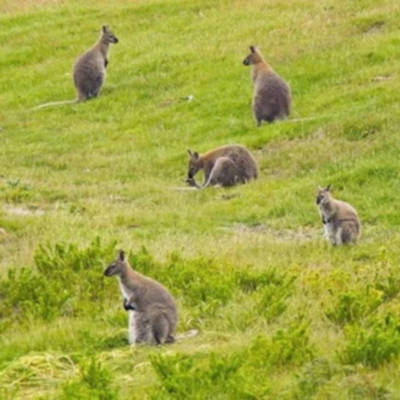 |
“Clubs often assume sustainability projects require massive capital,” Torgersen noted. “In reality, the initial steps are practical operational changes. Setting up dedicated cardboard recycling or participating in container deposit schemes can divert significant waste. At several clubs, container return refunds directly fund junior golf programs and club equipment.”
Course-level changes also impact operating budgets directly. Reducing intensively maintained turf areas down to native, non-play vegetation lowers fuel, labor, and chemical inputs.
“Machinery, diesel, and inputs are expensive,” said Torgersen. “Transitioning out-of-play acreage into self-sustaining native habitat cuts ongoing maintenance costs without affecting how the course plays.”
Overcoming Operational and Cultural Challenges
Orloff and Torgersen discussed common barriers clubs face when introducing environmental programs. Many initiatives stall because sustainability is not formalized in strategic plans or because management lacks training in environmental science.
Following their participation in the R&A’s Australian roadshows, Torgersen observed varying levels of engagement across the sector.
“In regions like Perth, younger turf managers are learning environmental principles as part of their standard qualification, so implementation comes naturally to them,” Torgersen said. “For older managers and committee members, it wasn’t part of their curriculum, so education remains a primary requirement.”
Member engagement is another factor. Torgersen emphasized that transparent communication reduces resistance to course alterations.
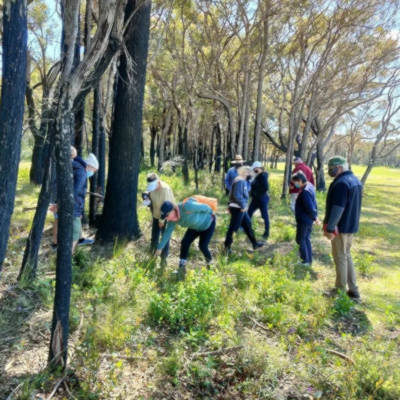
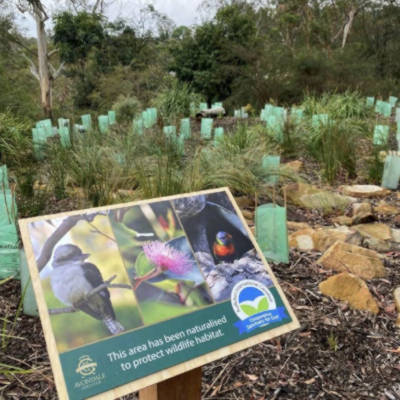
“If you communicate the objectives before planting or removing mown areas, members get on board,” she said. “Clubs like Glenelg Golf Club in South Australia use on-course QR codes to explain native flora, and they maintain hives to produce club-branded honey. Involving members and volunteers in planting programs builds direct ownership.”
 |
 |
External Partnerships and Course Tracker
A growing priority for golf courses is demonstrating value to local councils, academic institutions, and surrounding communities.
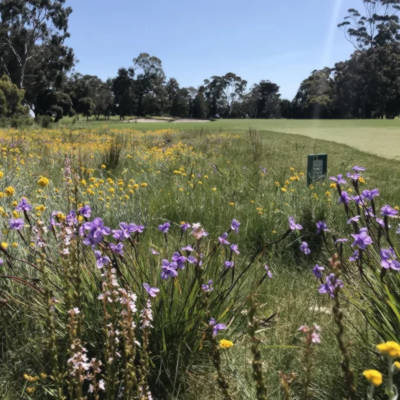
Torgersen highlighted courses taking proactive steps, such as Avondale Golf Club in Sydney partnering with local universities and councils for bandicoot and bird monitoring. In Melbourne, a dozen golf courses along the Yarra River act as contiguous wildlife corridors that support native fauna, including sugar gliders.
To address the historical lack of digital records and project documentation across the industry, EGS spent two years developing Course Tracker. The platform is designed to track biodiversity projects, input species data, map plantings, monitor water metrics, and produce automated compliance reports.
“Traditionally, when a superintendent or vegetation manager left a venue, all the historical knowledge left with them,” Torgersen said. “Course Tracker centralizes that data. At Ocean Dunes on King Island, the superintendent logs daily water data on his mobile phone, saving hours of manual paperwork and generating clear compliance documentation for council.”
The platform also provides data needed to defend courses facing commercial pressures or council redevelopment proposals.
“By extracting public biodiversity datasets and combining them with site tracking, clubs can demonstrate quantifiable ecological value to councils and planning authorities,” Torgersen said. “It provides verified evidence that golf courses serve as critical green space and biodiversity reserves.”
 |
 |
Industry Outlook
Looking ahead, Torgersen expects Australian golf to see gradual increases in environmental reporting requirements, mirroring existing frameworks in the UK and New Zealand.
For Orloff, the business case for environmental management is straightforward.
“Golf facilities are significant landowners within urban and regional communities,” Orloff concluded. “Combining operational data, targeted cost reductions, and biodiversity planning allows clubs to run more efficient operations while clearly proving their value to both golfers and the general public.”