FIJI: Proposed Pacific Harbour Golf Course Reduction Moves Forward with Conditional Approval
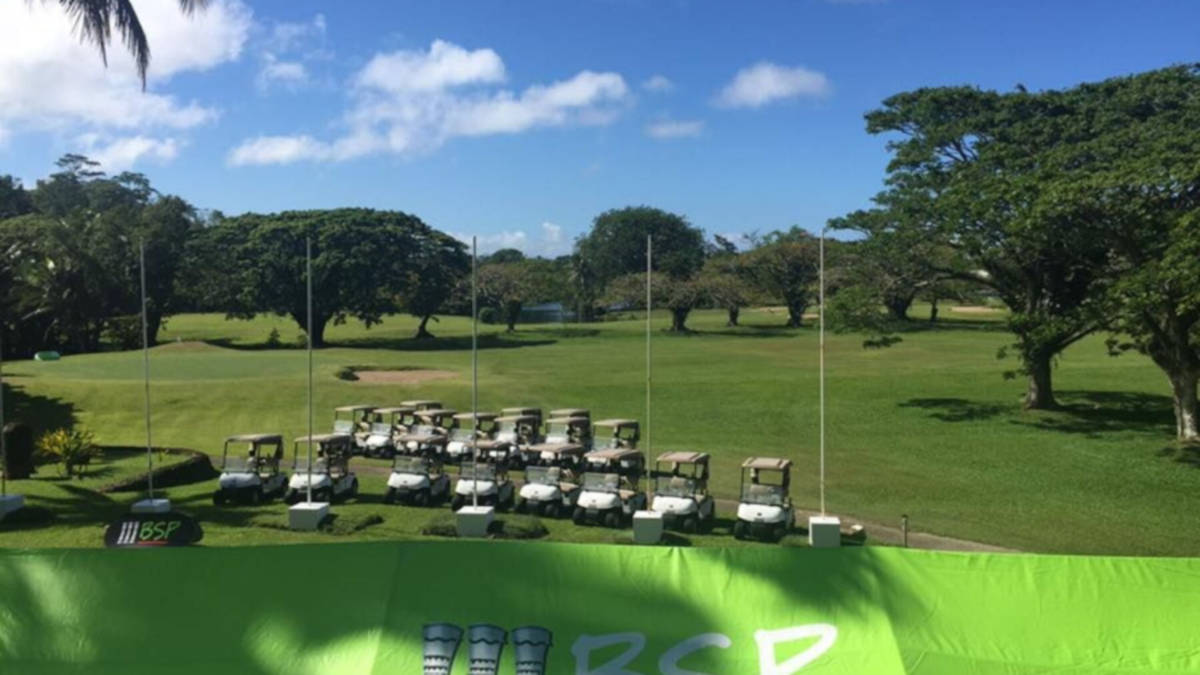
The Pacific Harbour Golf Course (FIJI) could be scaled down from its current 18-hole layout as plans for residential development on the privately owned freehold land proceed through official regulatory channels.
The development was brought to the floor of Parliament by Opposition MP Faiyaz Koya, who questioned Housing and Local Government Minister Maciu Nalumisa regarding whether the subdivision of the property had followed proper approval procedures.
Regulatory Approvals and Proposed Changes
Minister Nalumisa confirmed that all required legal and administrative processes have been strictly observed. He revealed that the Department of Town and Country Planning issued conditional approval on January 29, 2026, for a subdivision plan comprising 63 lots: 61 residential lots, one designated open space, and an access road.
According to Nalumisa, the developer ultimately intends to reduce the golf course from 18 holes to nine. Additional subdivision applications involving the property are currently pending review before the department. Nalumisa emphasized that these separate applications will be evaluated independently on their own merits.
Furthermore, the Minister stated that the department found no registered covenant mandating that the privately owned land be preserved as an 18-hole golf course.
Public Consultation and Opposition Concerns
Opposition MP Faiyaz Koya raised concerns over the absence of public consultation, noting that local residents and golf course patrons have voiced objections to the proposed reduction and development.
In response, Nalumisa explained that under the current planning framework, public consultation is not legally required because the property lies outside an approved town planning scheme.
Environmental and Infrastructure Oversight
Despite the absence of a public consultation requirement, Nalumisa acknowledged the community’s concerns regarding local infrastructure and environmental risks, including water supply, wastewater management, drainage, road access, traffic, and broader environmental impacts.
Nalumisa highlighted that a full Environmental Impact Assessment (EIA) must be completed before any development can proceed, stressing that the conditional planning approval does not serve as a substitute for environmental clearance.