Golf Ball Recycling: 6 Ways to Make Your Golf Course More Sustainable
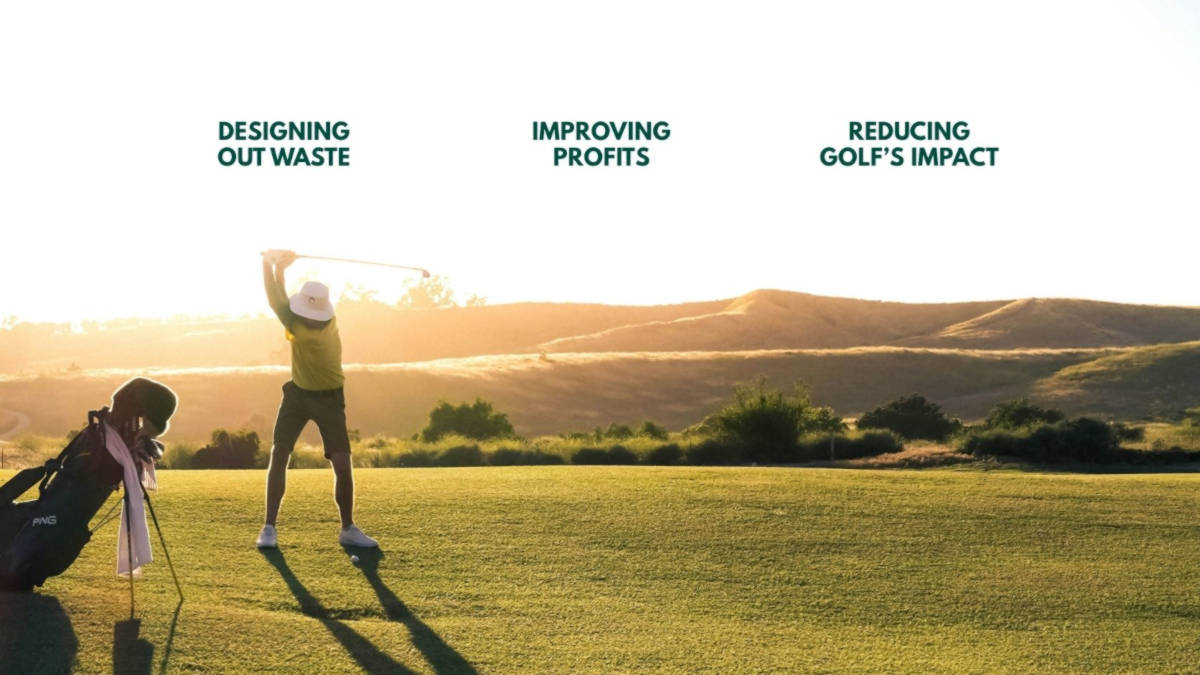
Golf and the environment go hand in hand. Without the trees, the green and environment on which the sport is played on, there would be no golf.
It’s not a matter of if we should take better care of it, it’s a matter of how. Golf courses have the potential to make a significant environmental impact through sustainable practices, and eco-friendly initiatives, such as recycling old golf balls.
From electric equipment to biological course management, there are plenty of small (and big) changes that can be made to ensure golf courses stay around for future generations to enjoy.
1. Switch to electric or autonomous equipment
Emerging technology, such as electric mowers, drone-based turf monitoring, and autonomous bunker rakes, is rapidly transforming course management as we know it, and the transition to electric equipment is not without benefits. Choosing to go electric can help improve efficiency, reduce operational costs, and maintain high course standards, all while being environmentally friendly.
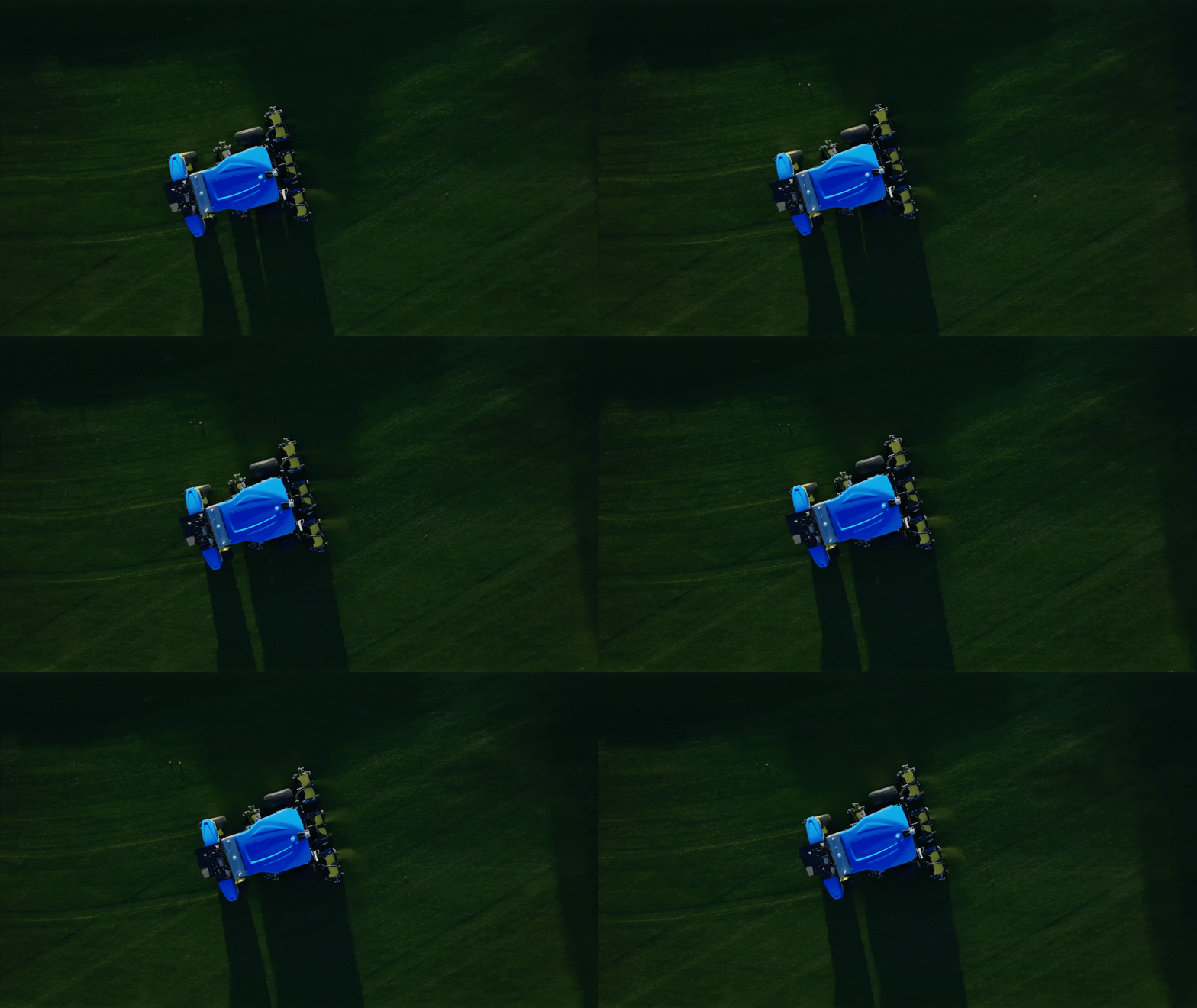
In the case of autonomous electric mowers, the transition to electric eliminates fossil fuel burning, and the potential risk of oil spilling on fairways. It also introduces non-play or night cutting, where maintenance is completed outside of normal operating hours, leaving operators free complete other tasks that need human judgement.
Recently made available in Australia, Firefly Robotics’ autonomous electric mower cuts, on average, 4.8 acres an hour, is quiet at roughly 55dB, and resulted in a redistribution of up to 90 percent of mowing labour.
2. Use recycled materials in new builds or renovations
Green architecture is on the rise with new clubhouses and renovations focused on energy efficiency, waste reduction, and reducing the environmental impact of construction with sustainable building materials, such as reclaimed wood and recycled steel.
A common way to include recycled material in new builds or renovations is within asphalt or concrete. When renovating or repairing course paths, cart routes or bunker surrounds, the small inclusion of recycled material reduces reliance on virgin material and can help reduce costs.
Greener building materials and products not only reduces pressure on natural resources; it creates a need and a pull-through demand for repurposed materials.
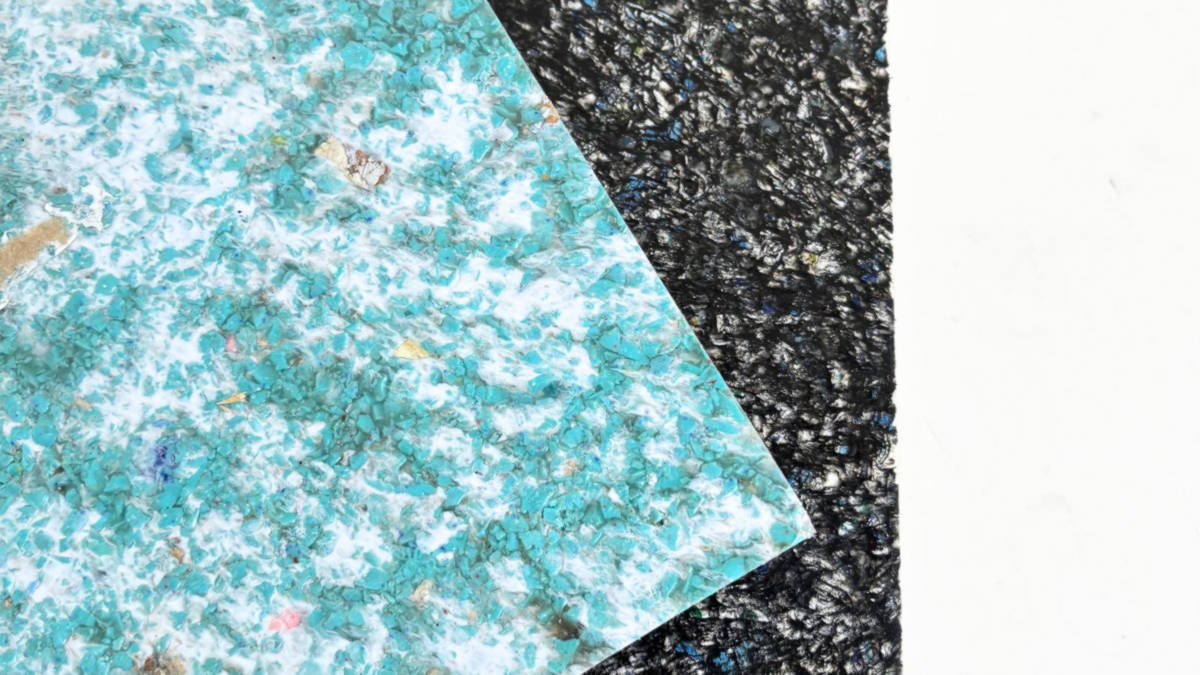
Three years ago Melbourne Golf Park used recycled golf ball aggregate in the concrete of their new pathways, and more recently Golf Ball Recycling partnered with Saveboard in New Zealand to manufacture wall linings, ceiling boards, and other building panels materials made from single-use plastics, clothing and golf ball aggregate – all 100% recycled materials.
Beyond pathways, there are many touchpoints where recycled materials can also be used. For example, EnviroKerb’s permeable concrete channel, permeable pathways, Blue-Green Infrastructure Tree Nurturing Systems and the list goes on. These designs and uses all incorporate recycled golf ball aggregate.
3. Review your sustainable and circular procurement framework (or create one)
Sustainable procurement is an approach to sourcing materials, goods and services responsibly to help with transition to a more circular industry. By prioritising existing assets, recycled products, and durability, materials can be kept in use for longer.
Golf clubs sit at the intersection of construction, land management, and hospitality. Clubhouse fit outs and renovations, course and irrigation infrastructure, equipment fleets, and F&B operations all generate significant material flows and waste streams, often without a formal system to track or reduce them.
A starting point for procurement teams to incorporate circularity into business is by building circularity into policy and contracts, rather than treating it as an add-on. Examples of ways this can be done include:
- Embedding circular principles into governance documents.
- Mapping supply chains for material reuse and disassembly potential.
- Maintaining an evidence library that can be dropped into future tender responses.
Sustainability initiatives are most effective when the results can be measured. Through iCCOUNT’s sustainable and circular procurement framework, employees are given tools to track and manage sustainability across the business, with sustainability integrated into everyday practices.

4. Reduce your reliance on chemicals and start composting
Traditional turf management relies on chemical substances to maintain a golf course. Biological turf management still focuses on maintaining and enhancing the course, while reducing heavy reliance on chemicals.
Both the reduction of chemical usage, and implementation of composting, come with benefits. Local ecosystems, along with water sources and wildlife, are protected with reduced costs in the long run and an additional revenue stream created through the compost.
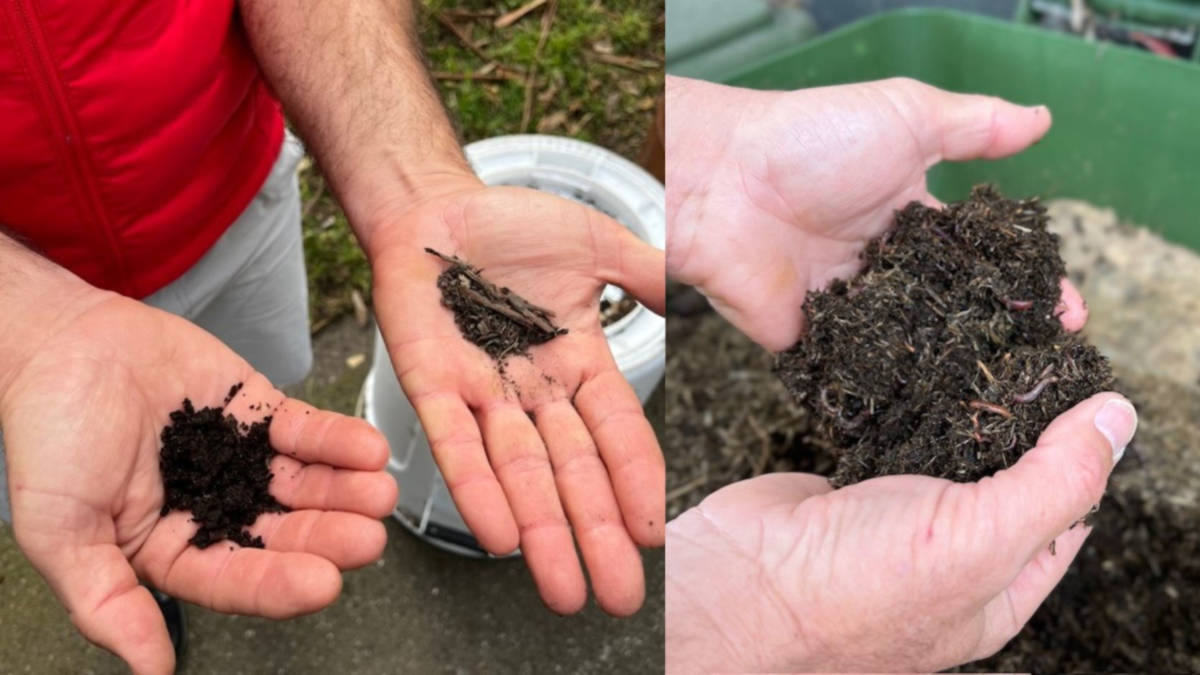
Golf courses are a gold mine of nutrient-rich organic matter, and when that nutrient-rich organic matter is composted, fertiliser is created – the very same fertiliser golf courses need to maintain lush greens.
By connecting the dots, courses can create their own source of fertiliser by implementing a system called nutrient cycling. Anything that’s cut green, such as grass clippings and leaves, is mixed with browns (dead material), such as stems and roots, then composted. The composting of locally sources ingredients creates a nutrient cycle, reducing the need for herbicide and pesticide applications.
Using composted fertiliser over synthetic pesticide is only one way of reducing reliance on chemicals. Along with natural remedies, monitoring the course with data-driven approaches can help identify potential problems early. This allows early prevention and the use of targeted treatments, when necessary, rather than routine chemical applications.
A chemical-free approach on golf courses, as tested and piloted by The Soil and Turf Society, can lower maintenance costs and promote healthier plants.
5. Use recycled rainwater and solar power
In addition to the aforementioned changes, the use of recycled rainwater and renewable energy help in making your golf course more circular.
Installing solar panels to power maintenance equipment, such as an electric mower, and irrigation systems significantly reduces your carbon footprint, while also cutting down operational costs associated with traditional energy sources.
Rainwater can be captured, treated and re-used for on-site irrigation. When coupled with automated irrigation that’s sensor activated and powered by the solar energy captured and stored on-site, fresh water is conserved and water resources are managed more efficiently.
6. Consider a circular retail platform
To combat overconsumption and shrinking landfill space, the term circular retail has emerged. Circular retail is a model where goods are reused, repurposed and recycled – a focus on not just what we buy, but how and where we buy it.
While it’s a newer term, the practice has probably been embedded in your everyday life already. Think of op shops, eBay, Facebook Marketplace, the local community Good Karma Facebook group, even trash and treasure markets.
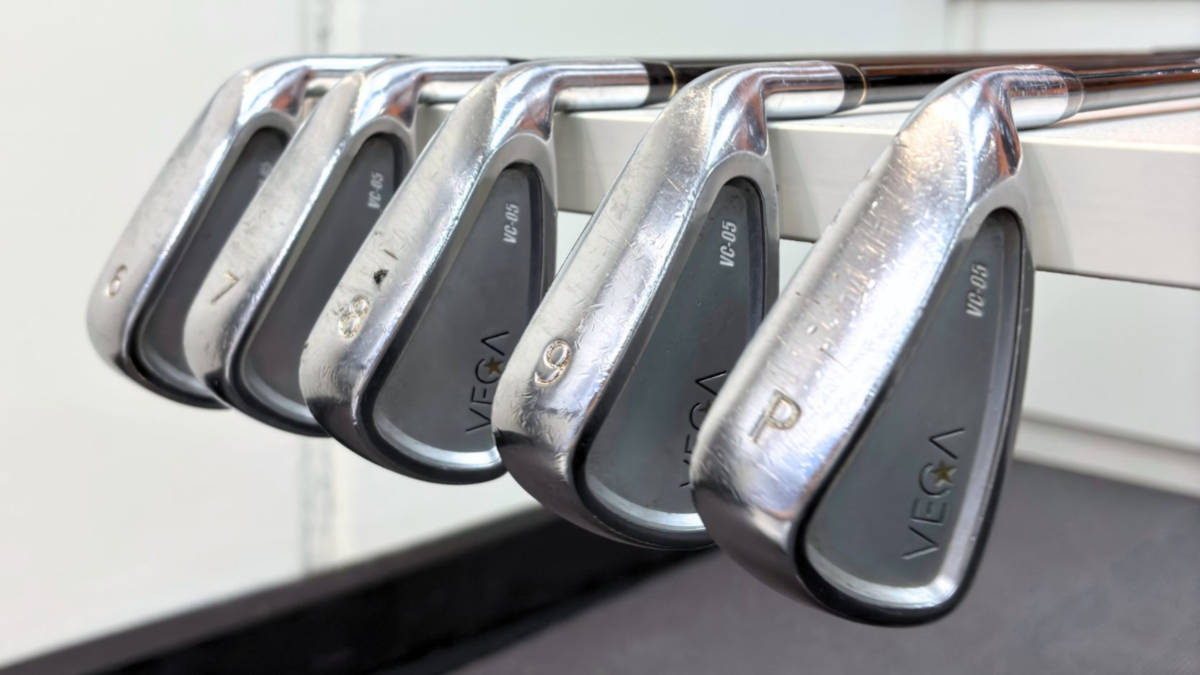
Instead of sending products and equipment to landfill, there are online platforms where you can sell surplus stock or move unwanted items or quality second-hand goods. While these products can be listed anywhere, there are emerging dedicated marketplaces for used golf gear reaching golfers directly, such as Birdie Chance.
Selling goods and equipment on circular retail platforms helps extend the life of golf products, while creating an additional revenue stream. It’s a simple and sustainable way to turn unwanted items, or quality second-hand goods, into income.
Circular Environmental Management Planning
If you’d like to incorporate circularity into your golf business, Golf Circularity Group (GCG) offers a complimentary information session to discuss your circular needs. In addition to helping implement the aforementioned changes, including Sustainable and Circular Procurement Management, GCG includes;
- Golf Ball Recycling – recycling end-of-life golf balls
- Environmental Course Management
- Circular Financial Auditing
- Impact Reporting Certificates
For more information, contact info@golfcircularity.com.
About Golf Circularity Group
Golf Circularity Group is a network of industry leaders and innovative changemakers, focused on Designing out waste, improving profits and reducing golfs Impact. Interested to learn what businesses are doing to reduce their carbon footprint, CGG assist in protecting the environment.
Rolling out circularity across all sports industries and businesses can only be possible with government and industry support.
To learn more, visit golfcircularity.com.