Student Startup Brews Up Sustainable Solution for Golf Courses with Biodegradable Coffee-Ground Tees
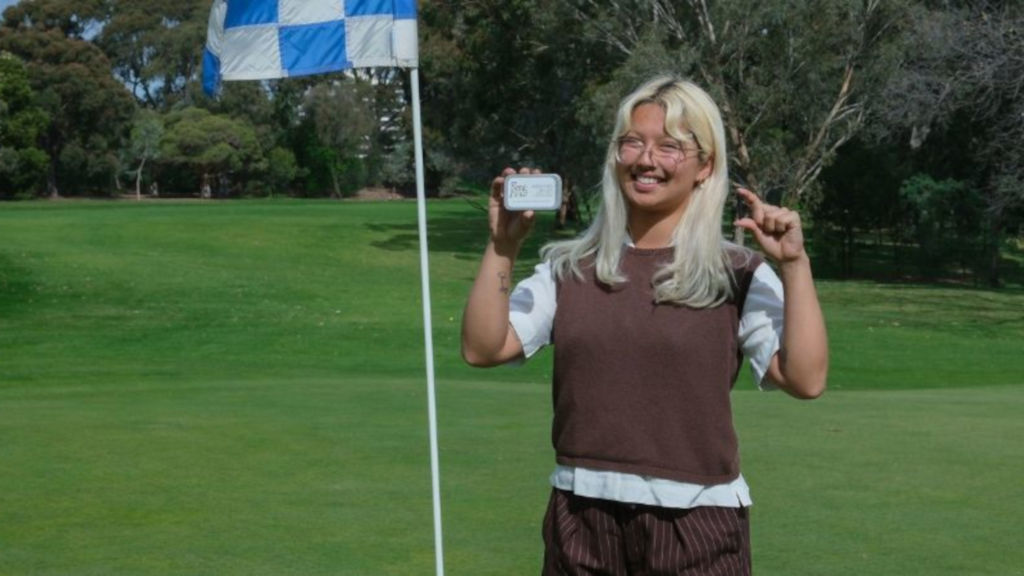
An RMIT University student has transformed discarded coffee grounds into biodegradable golf tees, offering an eco-friendly alternative to conventional plastic tees that golfers can simply leave behind on the course.
Developed by Industrial Design Honours student Shan D’Cruz, founder of the student-led startup Grounds for Grounds, the product—dubbed One Shot Tees—addresses two major waste streams simultaneously: the millions of kilograms of spent coffee grounds discarded annually and the lingering plastic pollution left behind on golf fairways.
From Espresso Shot to Tee Shot
Built around a straightforward concept—”one shot of coffee, for one shot of golf”—the tees are crafted from recycled coffee grounds and natural binders. They are engineered to match the performance and durability of a traditional golf tee before naturally breaking down and returning to the soil after play.
Currently designed specifically for iron and hybrid shots, the invention originated during D’Cruz’s Industrial Design studies before evolving into a commercial venture.
 |
“The vision of Grounds for Grounds is simple, to stop managing waste, but instead start designing it out,” D’Cruz said.
“One Shot Tees were designed to fit seamlessly into the way golf is already played. Golfers simply tee off and leave them where they fall. The tees naturally break down and return to the soil, reducing waste while making course maintenance easier for clubs.” |

The idea is simple: one shot of golf for one shot of coffee.
Industry Recognition and Startup Growth
The sustainable design has already garnered notable recognition within the innovation and design sectors. One Shot Tees was named a finalist in the 2025 Victorian Premier’s Design Awards. Additionally, the venture secured backing from RMIT Activator—the university’s entrepreneurship hub—after winning the People’s Choice Award at its Launch Pitch Night event.
|
“What began as a university project has become a startup with the potential to reshape a small but significant part of the game. It’s a great example of how design can solve real-world problems through simple, practical innovation,” D’Cruz said.
As golf clubs and players increasingly look for ways to reduce their environmental footprint, D’Cruz sees strong momentum ahead for the product. “I am very excited to see where this leads. It has become clear that lots of golfers and golf clubs are seeking sustainable alternatives,” she added. |
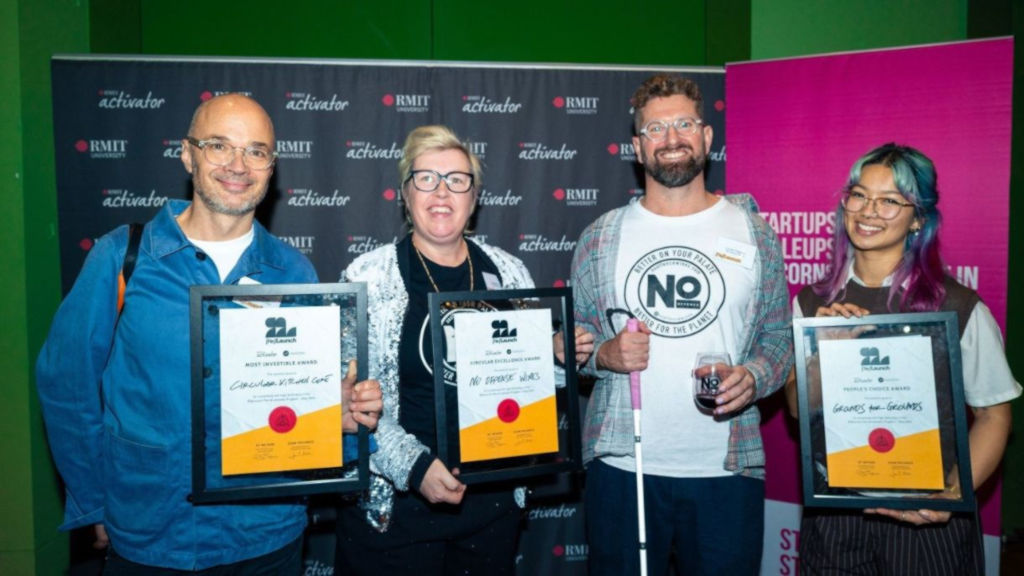
Shan D’Cruz (right) received support through RMIT Activator.
Source: RMIT University