Controversial Hong Kong course development green light on condition housing layout revised
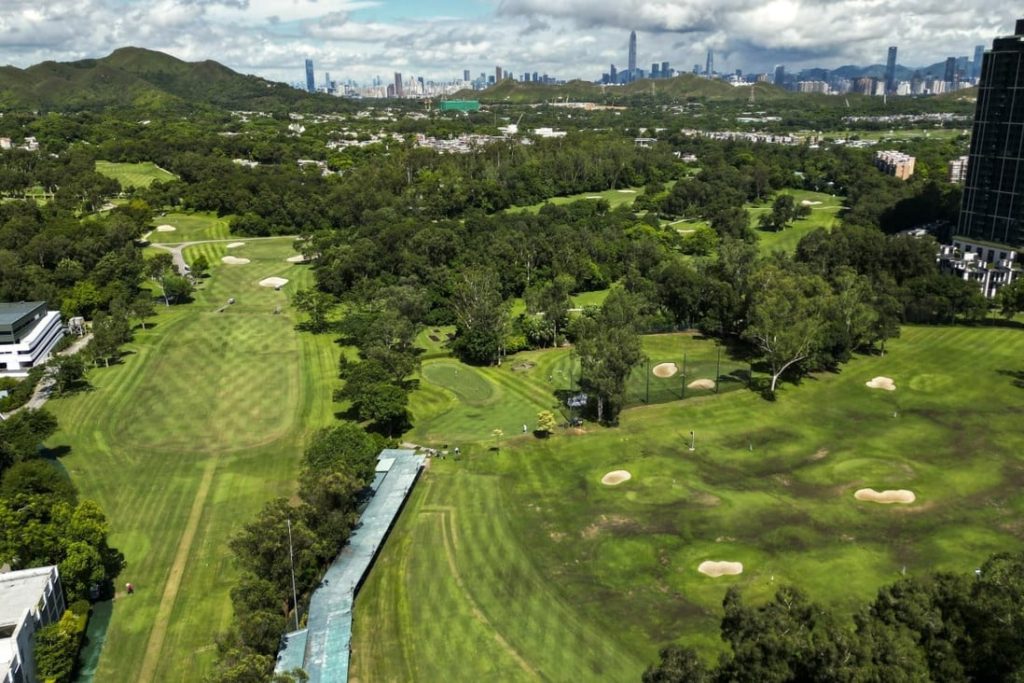
Hong Kong’s environmental authorities approved a controversial public housing plan at the city’s oldest golf course on Thursday on condition the layout be revised to preserve a patch of woodland.
The conditional approval from the director of environmental protection came eight days after government advisers backed the plan but called for modifications for better conservation.
“The approval was granted after careful examination of the environmental impact assessment report … and full consideration of the relevant comments on the environment from the Advisory Council on the Environment as well as members of the public … and the submission of additional information by the Civil Engineering and Development Department,” the Environmental Protection Department said.
It said development-related departments were required to devise a layout that preserved a woodland of 0.39 hectares (0.96 acres) and provide a detailed landscape and visual plan that minimised the project’s impact.
The Hong Kong Golf Club expressed deep regret at the director’s decision as the report was “full of serious flaws and errors” and would not be able to ensure “the integrity of the precious ecosystem”.
It was also concerned about how the proposed development area would be managed with high standards.
“The club will closely monitor the government’s next steps … while endeavouring to preserve the ecology of the century-old area of living heritage,” a spokeswoman said.
The golf club leases 172 hectares of land in Fanling. About one-fifth of the course, 32 hectares, has been earmarked for building 12,000 public flats and a recreational area. The flats are expected to be completed by 2029.
The woodland, consisting of 186 trees, is in the heart of the nine-hectare housing area, in a section designated for one of the residential blocks, a podium garden with commercial developments and parking spaces, a public transport interchange, and part of a building that would accommodate community facilities.
The woodland is home to 19 incense trees, considered vulnerable internationally.
Read full story here