Golf Australia Delivers Governance and Inclusive Growth Workshops for Regional Queensland Clubs
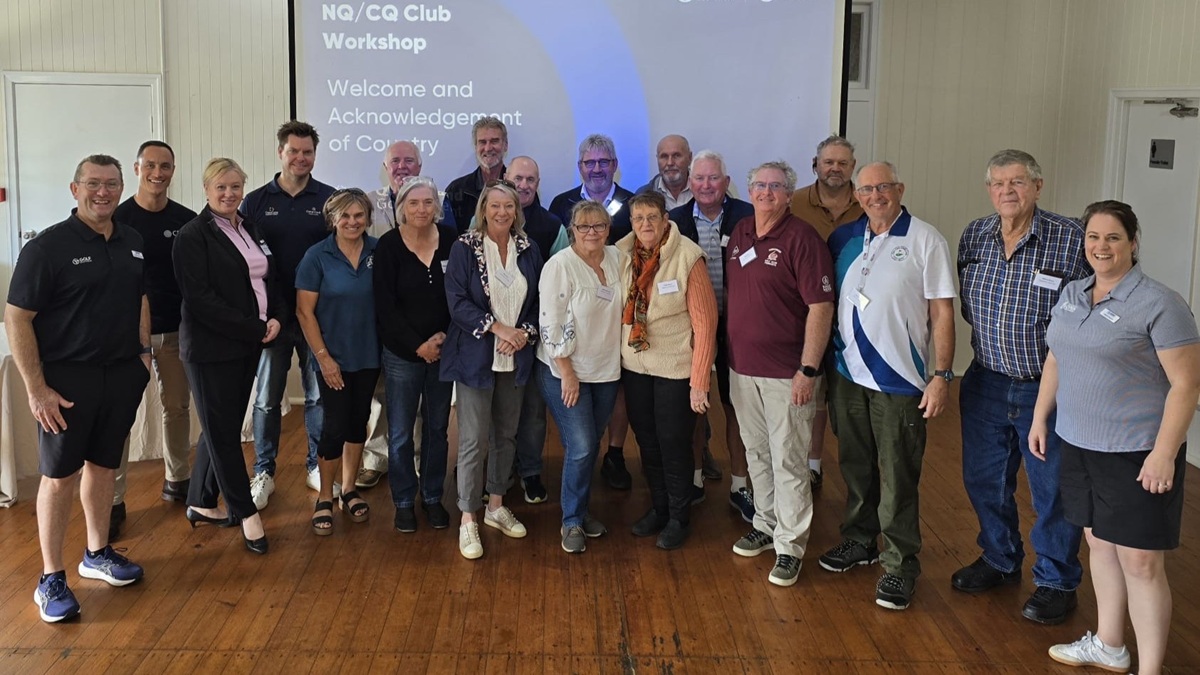
Golf Australia has conducted a series of governance and club development workshops across regional Queensland to strengthen local golf communities and support long-term sustainability.
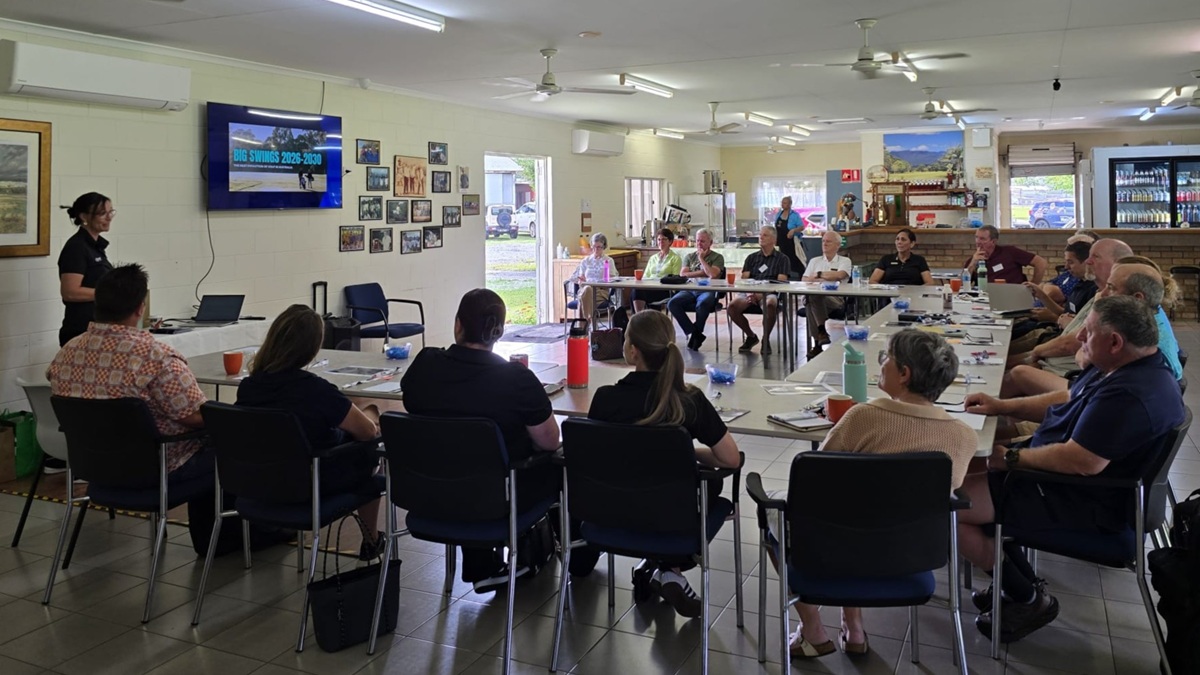
Funded by the Queensland Department of Sport, Racing and Olympic and Paralympic Games through the Active Industry Base Fund, the full-day workshops were hosted at Babinda Golf Club, Townsville Sports Precinct, Rockhampton Golf Club, and Coral Cove Golf Club. The events brought together representatives from the Far North, North, Central, and Bundaberg regions, drawing nearly 80 participants from 35 clubs and districts.
Key Objectives and Strategic Alignment
The initiative supports Australian golf’s BIG SWINGS 2026–2030 strategy, focusing on three primary pillars:
- EVOLVE: Enhancing organizational structure through stronger governance.
- BELONG: Fostering inclusive environments for players and members.
- CONNECT: Building stronger direct ties between regional clubs, neighboring communities, and Golf Australia.
The sessions also served as the initial in-person engagement point for many attendees with Golf Australia’s newly appointed Regional Coordinators, reflecting an increased allocation of field support to Queensland’s regional golf facilities.
Focused Workshop Sessions
The four full-day itineraries covered core operational areas essential to regional club management:
- Governance: Led by Golf Australia’s governance partner, CPR Group, focusing on administrative structures, risk management, and conflict resolution.
- Women and Community Engagement: Presented by Golf Australia’s Head of Women & Girls Engagement, Tamara Mason, alongside R&A Women in Golf Charter Manager, Virginia Irwin.
- Services and Strategic Initiatives: Detailed by Regional Coordinators Monique de Haas and Andrew Wooldridge, outlining available Golf Australia resources and strategic priorities.
Regional Club Perspectives
Participants noted the practical applications of the program and the importance of localized industry support.
Scott Barwick, representing Yeppoon Golf Club, highlighted the immediate utility of the sessions.
“The initiatives around the women in golf opportunities and, as usual, the CPR Group discussions were outstanding,” Barwick said. “Our corporate governance would not be where it is today without the knowledge and support provided by the CPR Group.”
Barwick noted that the knowledge shared during the sessions had already been brought back to his facility.
“I have since come back to the club and passed on some of the content, which is very relevant to our operation, and encouraged our club manager to attend the next workshop,” he added. “I’ll definitely be attending the next workshop and will bring along other members of our management committee.”
Paul Herring of Gin Gin Golf Club emphasized the specific structural challenges faced by non-metropolitan facilities.
“Regional clubs are often left out of the loop and don’t have the financial benefit of large population catchments to draw members and support from,” Herring said. “Having access to information about grants, promotional resources and support with governance matters, including potential conflicts and disputes, is extremely valuable for regional clubs.”
Looking Ahead
Feedback from attending clubs focused on the utility of direct networking, practical administrative guidance, and direct contact with governing body staff. Golf Australia aims to continue using these regional investments to help non-metropolitan clubs meet the targets established in the national BIG SWINGS 2026–2030 strategy.
Source: GOLF.com.au