Trafalgar Golf Club Prepares to Launch Solar and Battery Community Resilience Hub
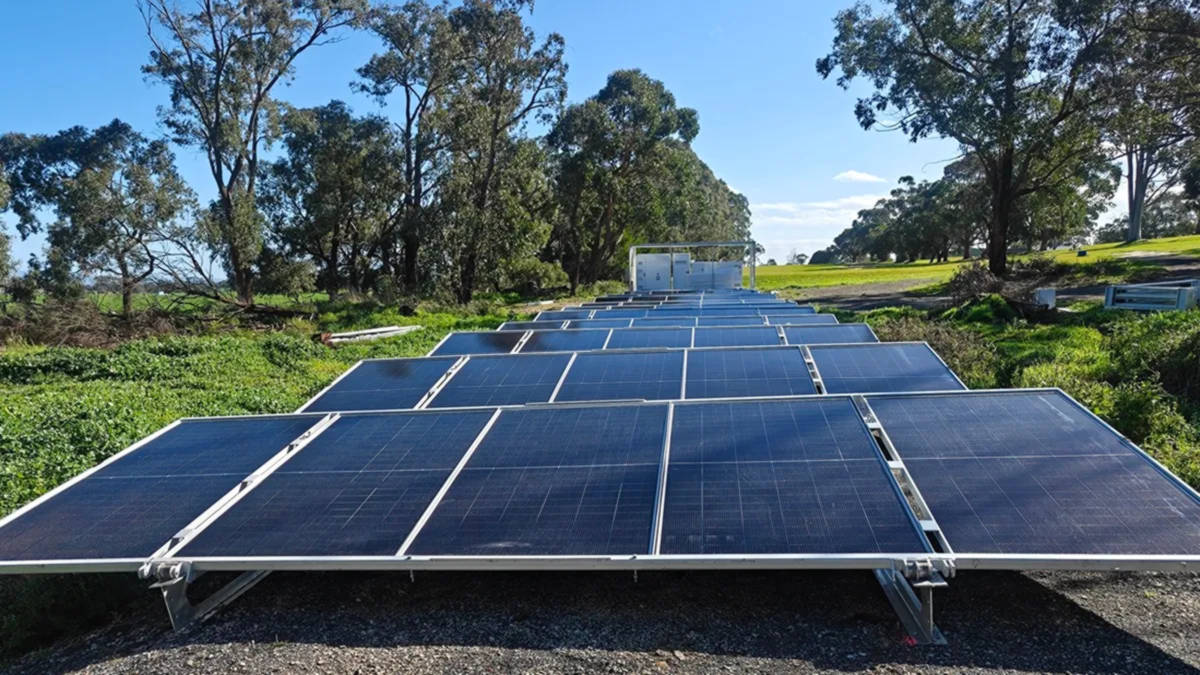
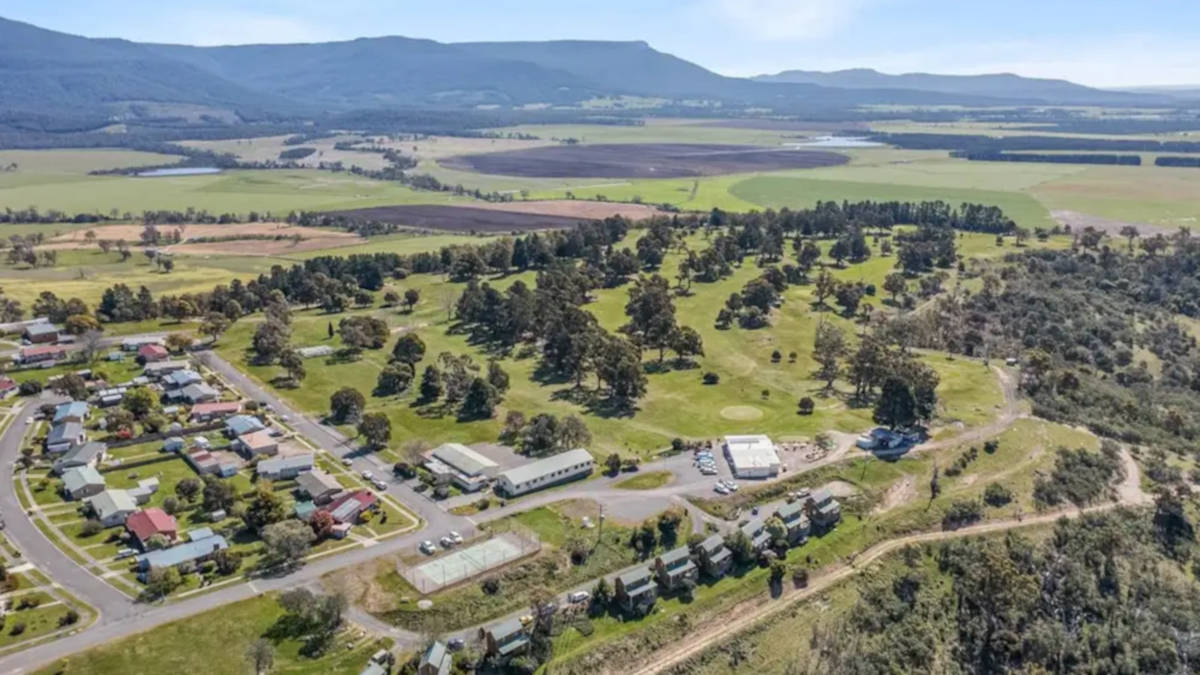
The Trafalgar Golf Club in regional Victoria is putting the finishing touches on a new standalone solar and battery power system designed to serve as an emergency power hub for the local community during extreme weather events and extended outages.
The Trafalgar Golf Course Resilience Project—a joint initiative between the 117-year-old golf club and the Gippsland Climate Change Network (GCCN)—will allow the West Gippsland facility to provide essential services when the main power grid fails.
Emergency Power and Community Support
Once fully operational, the resilience hub will give residents access to heating and cooling, hot water, cooking and refrigeration facilities, as well as charging stations for mobile phones and laptops.
The installation follows two major power outages in recent years that left the surrounding community without electricity for approximately five days each, including an outage that occurred last year.
In addition to its emergency function, the system is projected to save the Trafalgar Golf Club between $9,000 and $10,000 annually in electricity costs.
Technical Specifications and Mobile Capability
The newly installed power infrastructure was purchased from Second Life Solar and constructed by PHNXX. Its core components include:
- 35 kW of solar panels
- 107 kWh of battery storage
- 40 kW backup generator
A key feature of the project is its mobility. The entire backup system can be packed up and relocated to another site within four hours during a disaster response effort, extending its utility beyond the golf course grounds.
Funding for the initiative was primarily provided by the Victorian Government’s 100 Neighbourhood Batteries program, which covered 90 per cent of the costs.
Project Leadership and Future Model
Chris Barfoot, GCCN Energise Gippsland Project Officer and Trafalgar Golf Club member, served as the primary driver behind the project. He noted that golf clubs are well-suited for resilience roles due to their existing infrastructure, physical space, and community connections.
 |
“People can come and take refuge, charge their phones, come up have a cuppa and watch television,” Barfoot told Club Management. Barfoot highlighted two distinct operational advantages of the setup: “If we lose power, we can go back to the generator, and if there’s an area with greater need, we can pack it up and move it.” |
Project organizers hope the Trafalgar model can be replicated in other regional towns facing similar energy security challenges. The system is fully installed on-site and is expected to go live within weeks following final minor modifications.