Golf Ball Recycling: Where Do All The Golf Balls Go?
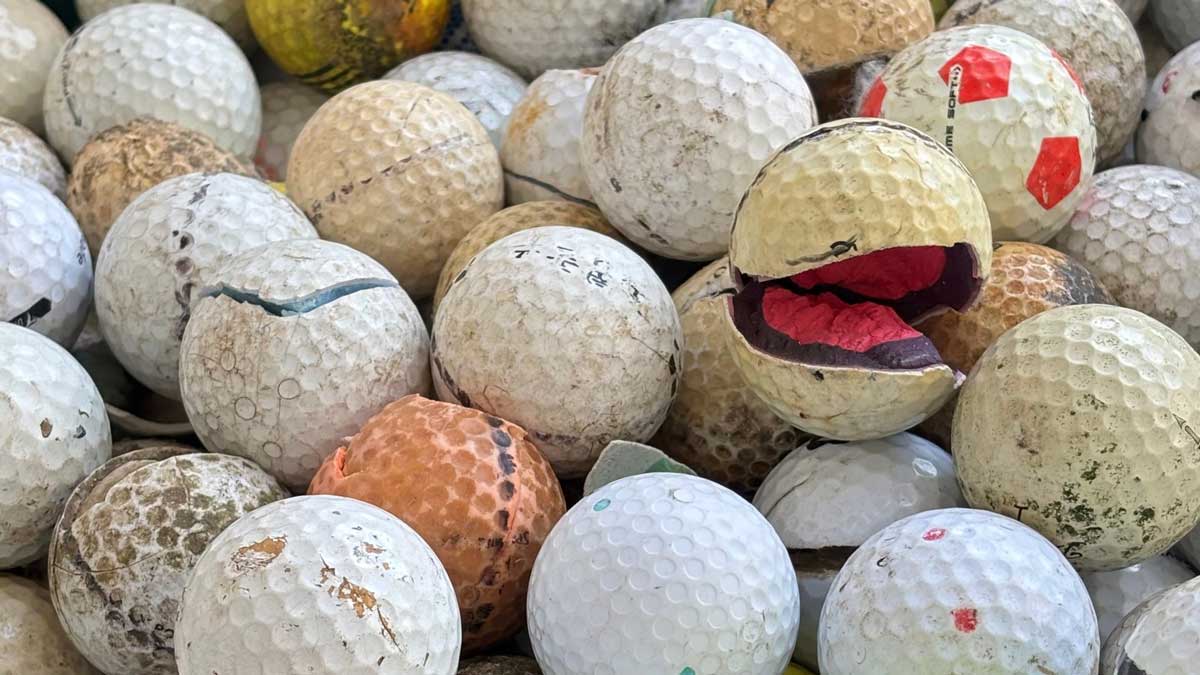
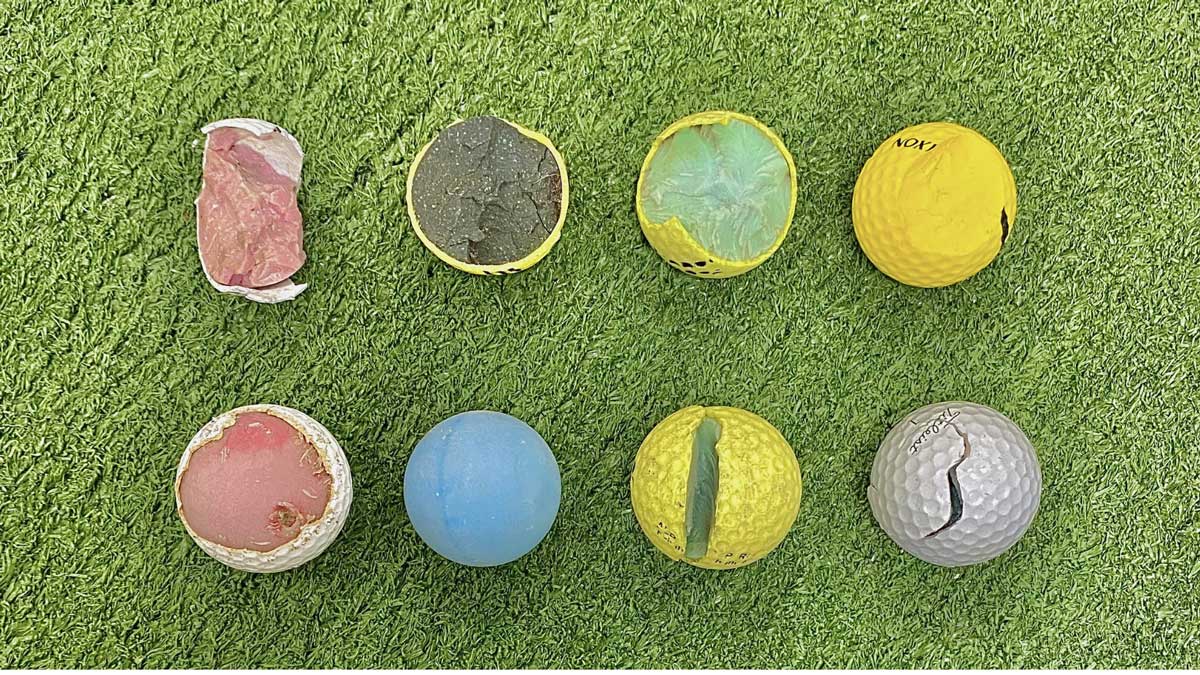
Modern golf balls can’t be recycled in the traditional sense because of the way they’re made and the materials they’re made of. Typically, the different parts of a product are separated so each element and material can be recycled individually.
You can’t do this with golf balls because the layered combination of synthetic rubber, plastic and resin, fused with adhesive, makes them virtually impossible to separate.
How do golf balls get recycled with GBR?
Golf Ball Recycling removes the complicated process of individually recycling golf ball elements and recycles the entire golf ball. From the inner core to the outer shell, it’s all shredded into different sizes, creating a new resource – aggregate. Aggregate is similar to gravel used to make concrete, but unlike gravel, golf ball aggregate is compressible and much less dense in nature.
This allows the golf ball aggregate to replace some gravel aggregate in concrete, resulting in a lighter material while still maintaining its structural and other engineering properties.
Using golf ball aggregate in products and projects tends to be a more cost-effective solution, and reduces the demand for new raw materials. Therefore, conserving natural resources and having a greater positive environmental impact.
Case Studies
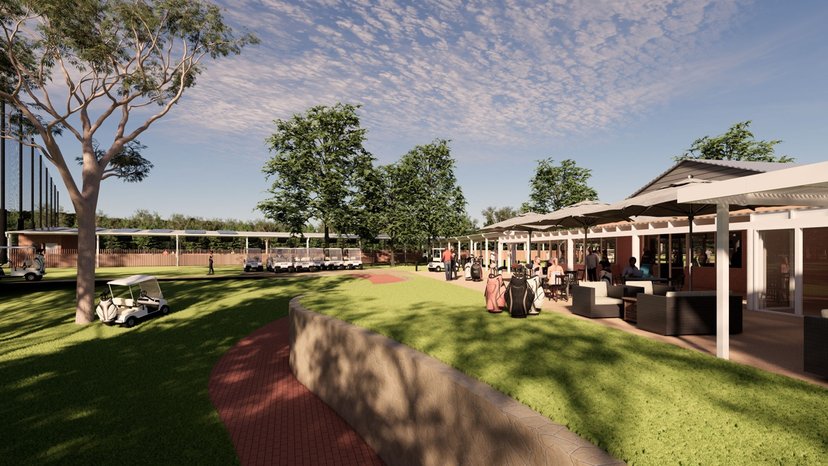
Recycled Golf Balls in Melbourne Golf Park Pathways
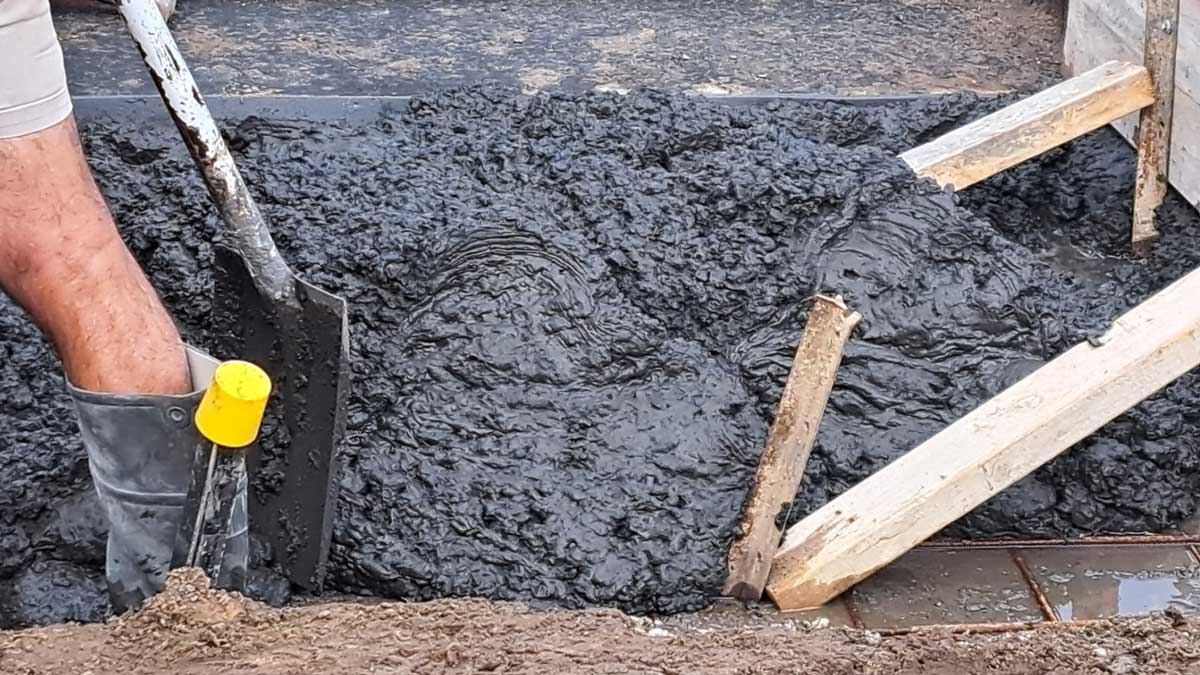
In 2022, GBR worked with Heidelberg Materials (formerly Hanson Australia) to integrate recycled golf ball aggregate into concrete used for Melbourne Golf Park’s (formerly Albert Park Driving Range) new pathways.
This project became a real circular journey, as Melbourne Golf Park is a participant of the Reuse Repurpose Recycle program. They recycle their old and damaged range balls, and see the benefits of recycling in their new pathways.
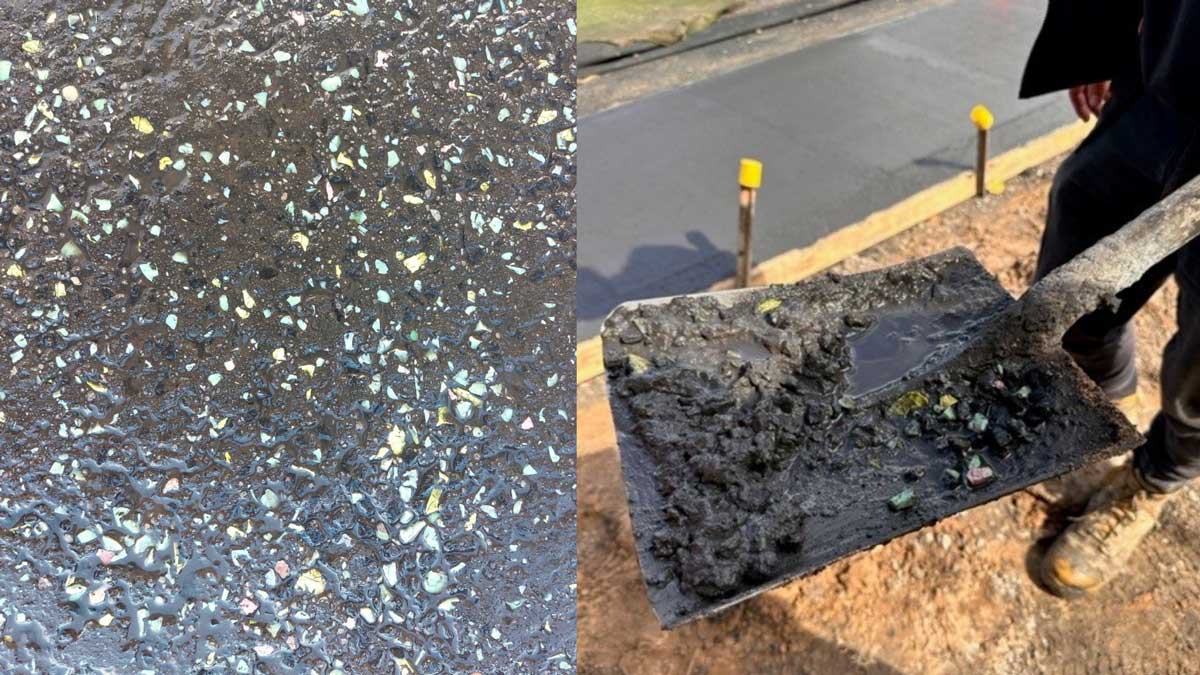
When you look at the big picture, the benefits and positive environmental impact of using recycled aggregate in concrete is obvious A single cubic metre of concrete contains approximately 2,400kg of raw materials comprising of cement, rocks, sand and water.
If you consider that the Melbourne concrete market alone consumes in excess of 5 million cubic metres of concrete annually, you get a sense of the scale of materials required.
Using aggregate reduces the need for raw materials to achieve volume, and a few kilograms of shredded golf balls go a long way in concrete. Owing to the much lower density, a single kilogram of shredded golf balls occupies up to 5 times the volume of a single kilogram of stone.
Additionally, the resultant concrete is much lighter than the traditional version.
EnviroKerb Stormwater Pit Lids at Mount Waverley Primary School
In an unexpected yet innovative pairing, GBR conducted a groundbreaking trial of stormwater pit lids made from shredded golf balls, with Mount Waverley Primary School – a local Victorian school.
The EnviroKerb Stormwater Pollution Prevention Inlet (ESPPI) is an innovative precast concrete kerb and channel inlet from PPC Australia. The design incorporates a built-in galvanised steel tray filled with permeable concrete, all integrated within the kerb.
With elements crafted entirely from recycled golf balls, the stormwater pit effectively prevents sediments and litter from entering waterways, allowing only water and liquids to pass through.
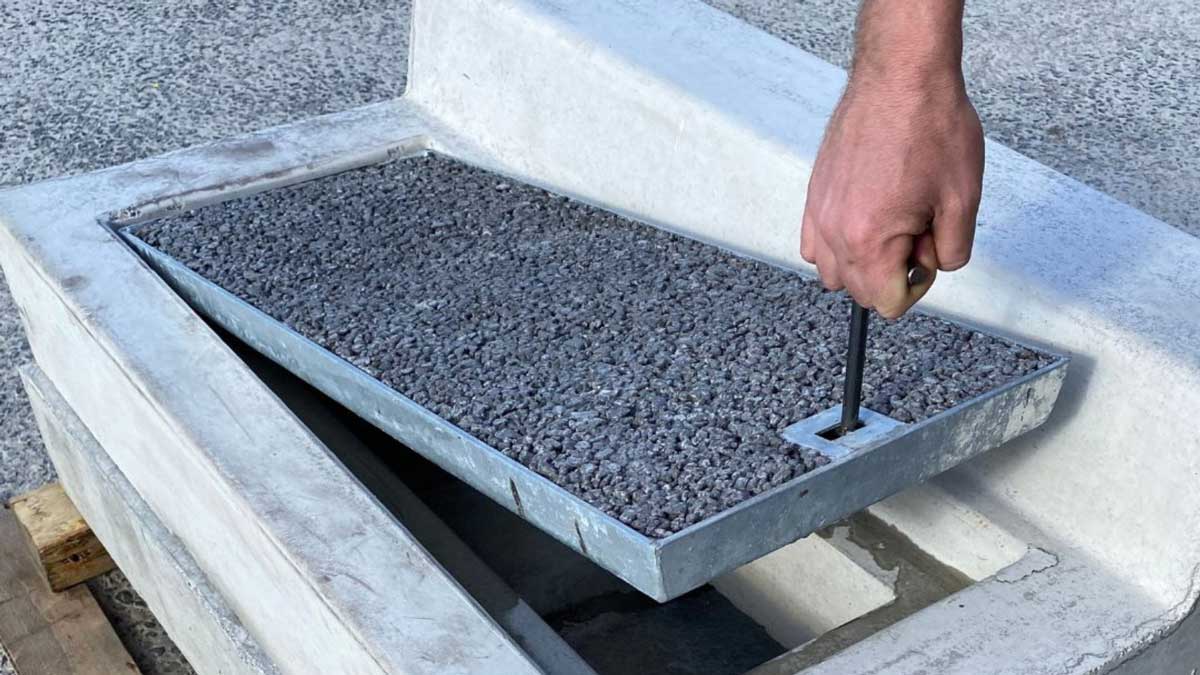
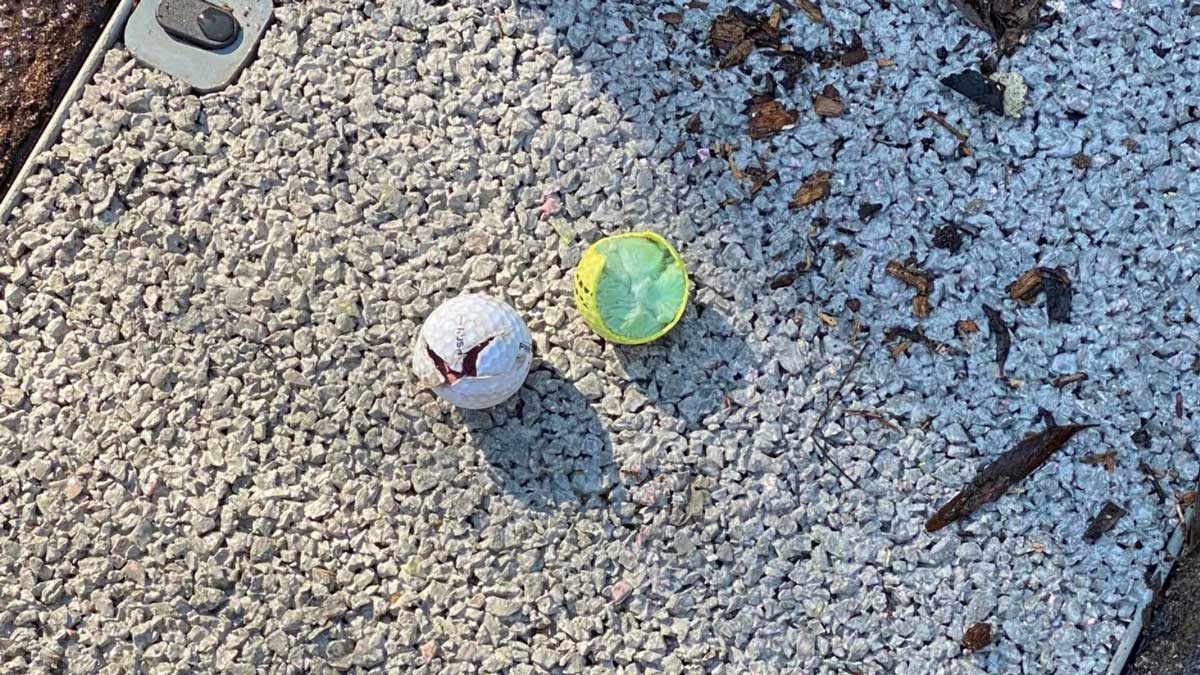
Once the stormwater pit lids were installed at the primary school, other benefits were recognised, such as aesthetic and safety-wise. The pits could be coloured to blend in with any decal or surface area, and their surface was not harsh, should a child fall on them. As the pit lids were easy to clean and didn’t require draining to be cleared, time-saving was also an added benefit.
This project became another closing of the golf ball’s circular journey, as the recycled golf balls used in the ESPPI were collected from participating golf courses and council properties within the same municipality.
Creative Art Projects
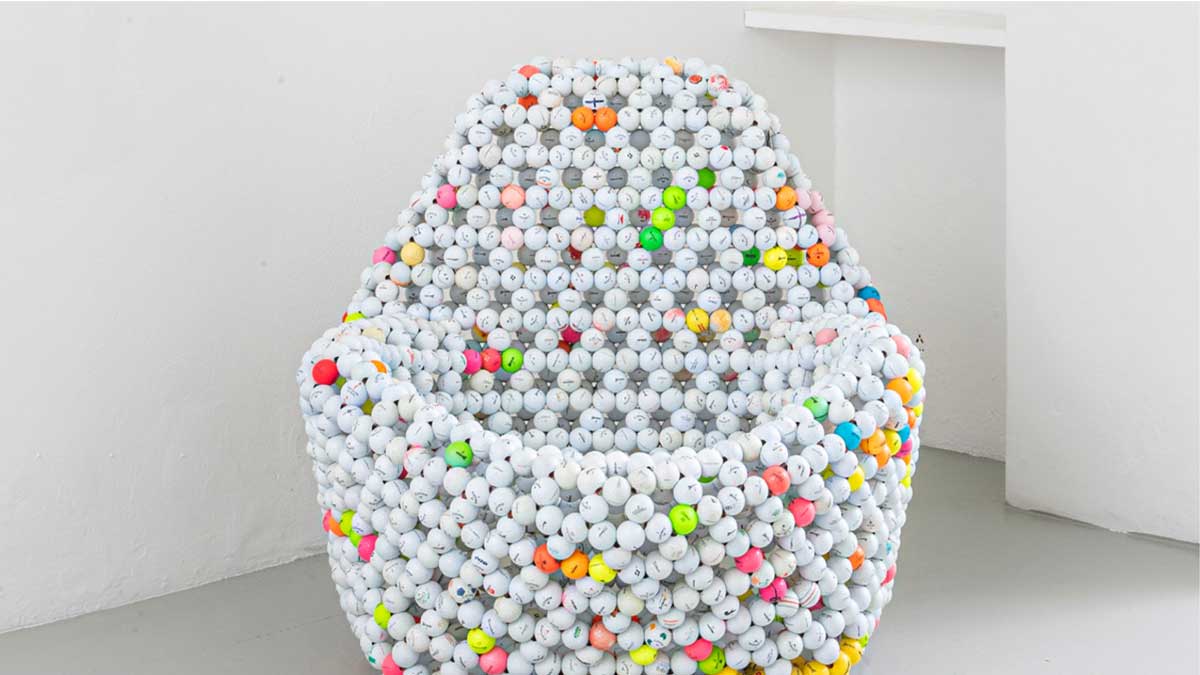
Artists around the world are finding creative uses for golf balls, such as Reclaimed Colours in Oakland, who use halved golf balls to create eye-catching artwork, and Jake Rollins from South Australia, who turned whole golf balls into furniture. The golf balls used to make his one-off woven chair were recovered by GBR, with Jake’s Golf Weave project selected as a finalist for the Ro Plastic Prize in 2020.
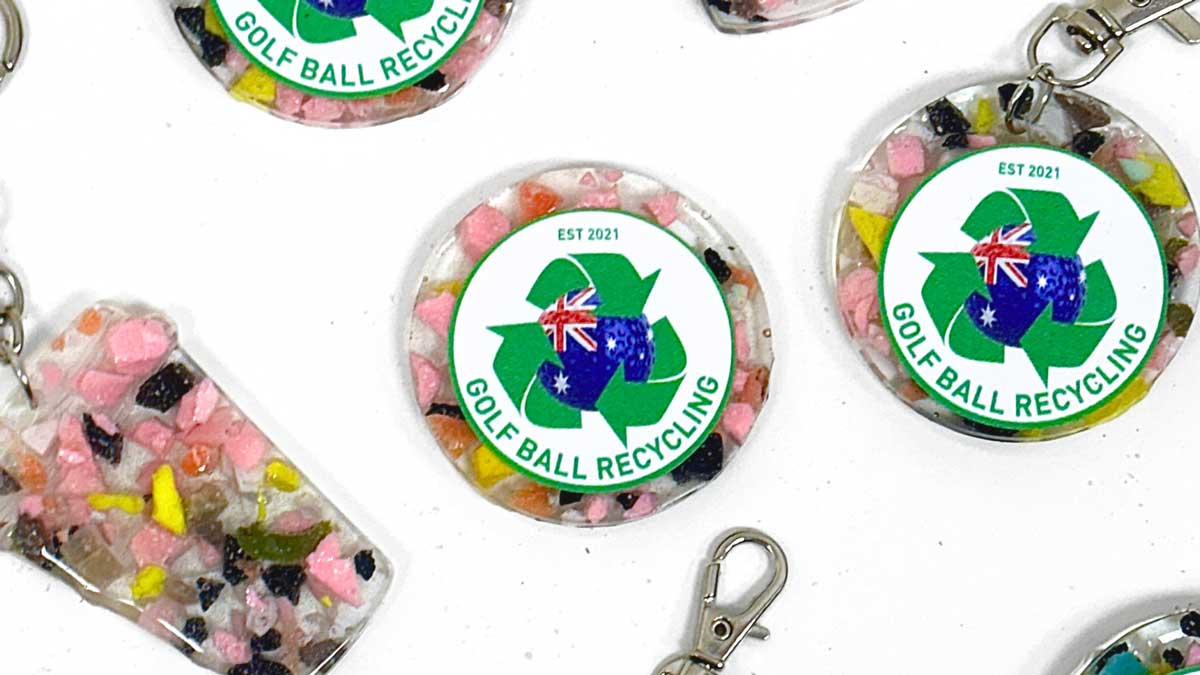
A little closer to home, the creative 9-year-old Lily used shredded golf balls to create resin keychains and ball markers. These products sit proudly in the GBR office, showcasing the intersection of creativity and young people caring about sustainability.
There are many ways to reuse golf balls for art, and even more ways to incorporate golf ball aggregate. If you have a great idea for an art project, the aggregate is available for purchase at Golf Ball Recycling’s website.
What’s next?
GBR are continually working on new ways to repurpose end of life golf balls. Our current projects include The Golf Board, a panel that can be used across the building industry for wall linings, ceiling panels, range ball dividers, and more.
Golf ball aggregate can also be used for:
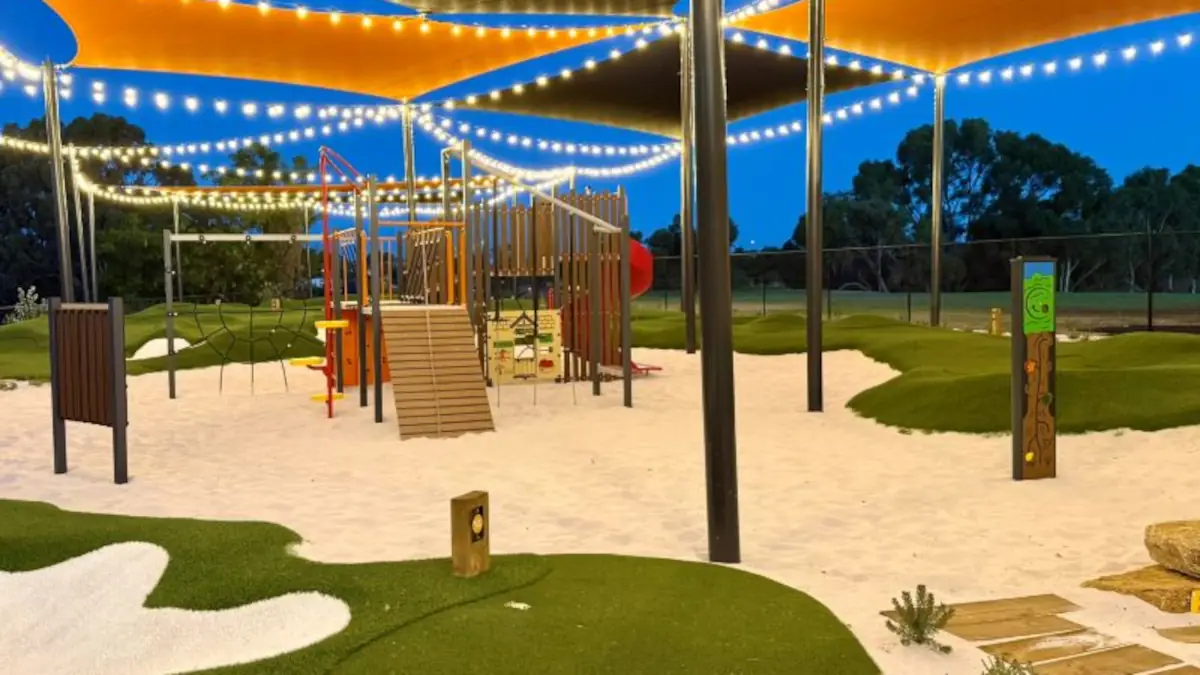
- Playground systems
- Street furniture
- Flooring systems
- Sound barriers
- Mosaic features
If you would like to explore potential partnerships or discuss how golf ball aggregate can benefit your product, please contact sales@golfballrecycling.com.au.
About Golf Ball Recycling
Golf Ball Recycling is a full-cycle golf ball recycling company providing resource recovery solutions for golf equipment. Supporting Golf Circularity Group’s Action for Climate Change, GBR transforms shredded golf balls to close the circular loop.
Learn more at www.golfballrecycling.com.au.