Golf Ball Recycling: Golf has Always Been More Than Just a Game.
In Scotland, where golf was born, courses were never meant to be locked away.
The historic Right to Roam, now protected by law, allowed golf courses to remain open for responsible public access. This tradition has protected vast green spaces for centuries, and preserved land that may otherwise have been lost to housing or industry.
When managed responsibly, golf courses act as vital green corridors in an increasingly urban world. Their shared landscapes support wildlife, wetlands and native grasses, while also providing communities with free access to nature.
There’s no denying the plentiful benefits of golf and golf courses, but we also can’t overlook its significant environmental footprint.
Environmental Impact of Golf Balls
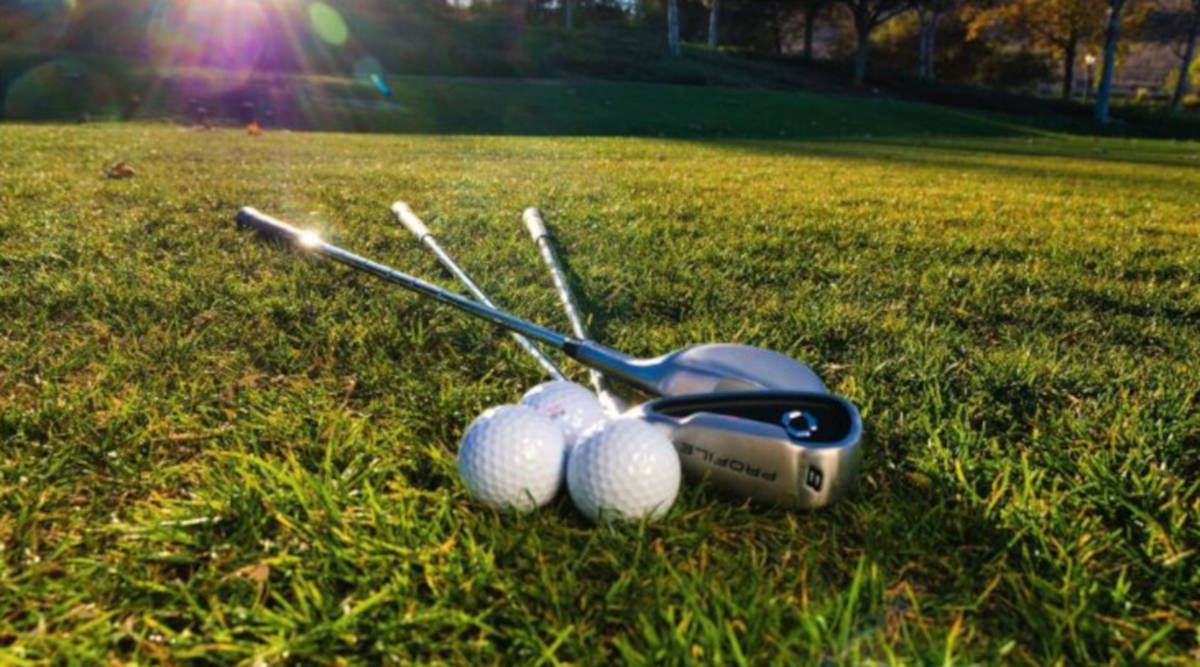
Millions of tonnes of golf balls and equipment find their way into landfills, waterways, and public land around the world. This year alone, thousands of golf balls were washed out of stormwater systems across Australia and New Zealand, with some driving ranges admitting to burying tonnes of balls on public and private land.
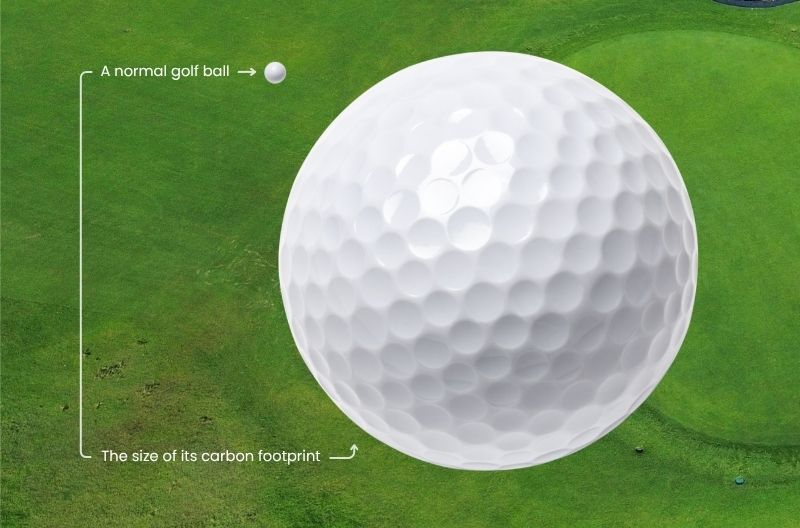
According to data estimates by Footprint Lab, a single golf ball has a carbon footprint over 6,000 times its size – visually, that’s a golf ball almost one metre in diameter. With the average golfer losing three to four balls per round, that’s roughly 3.16kg of CO2 emissions produced each game, per person, from golf balls alone.
If we zoom out to twenty years ago, the concept of end-to-end golf ball recycling did not exist. Balls collected from courses were resold through the pro shops. At the same time, scalpers were retrieving balls from dams and courses after hours, then selling them into the second-hand market. Too often, profit has been chosen over environmental responsibility.
In 2026, the game of golf continues growing, as does the second-hand golf ball market. New and used balls are imported from all over the world, often with little oversight on the quality, origin, or environmental impact. Consumerism continues to be driven by aggressive retail marketing, with big brands fighting for market share and new online platforms selling anything they can source. Where does it all end?
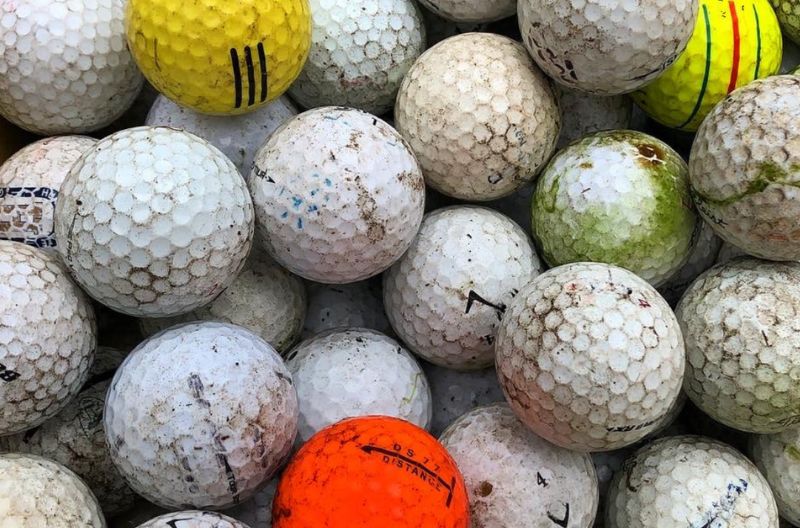
Golf balls, when left in water and in nature, slowly release microplastics and chemical compounds, creating long-term environmental damage. This raises an uncomfortable question: why is golf one of the few sports that has historically been able to get away with littering oceans, rivers, and green spaces? It’s time we do something real about it.
Environmental Solutions
Across the world, clubs are reducing energy usage, improving water efficiency, restoring biodiversity, and adopting more natural course management practices.
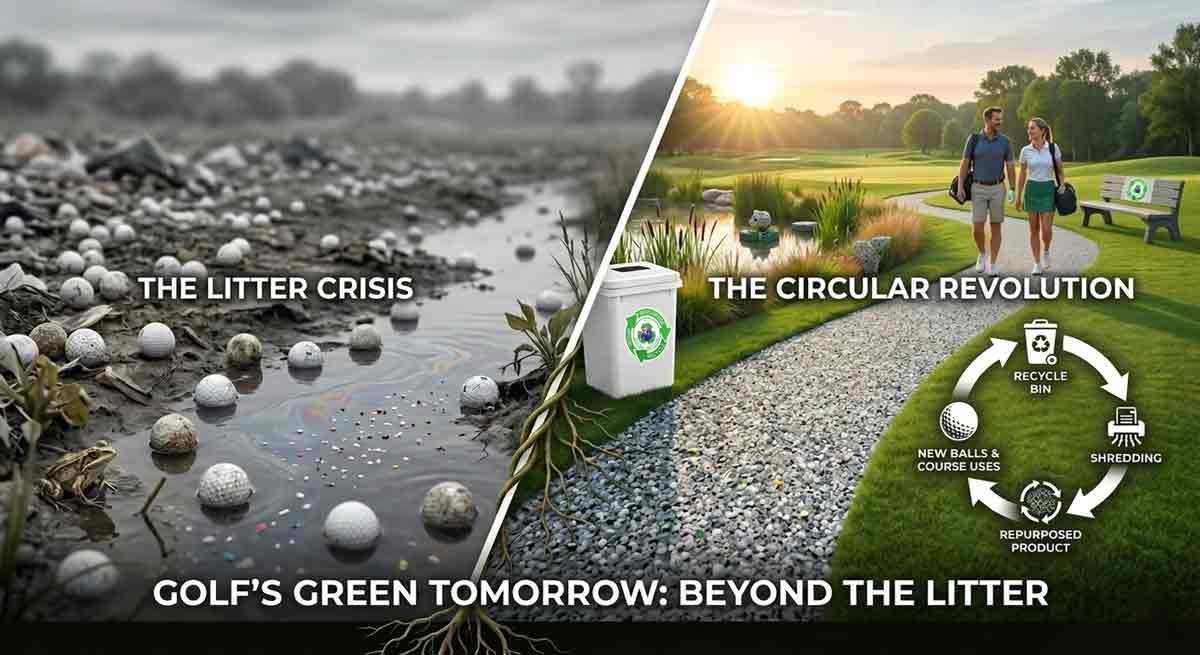
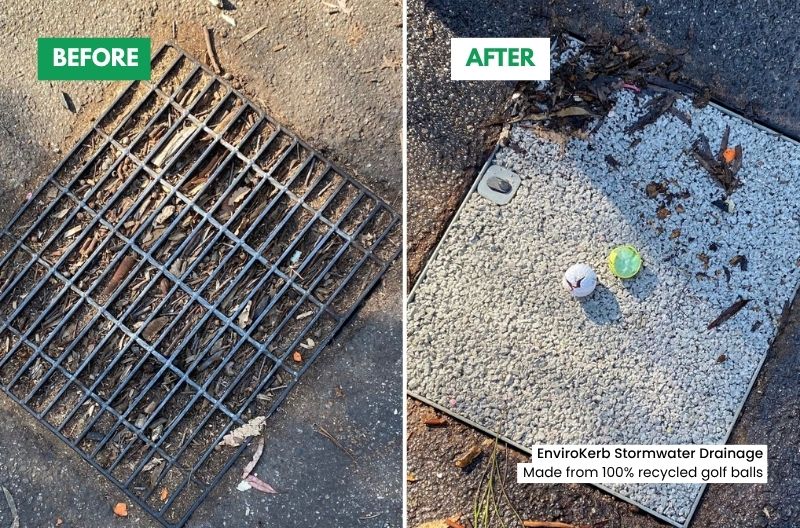
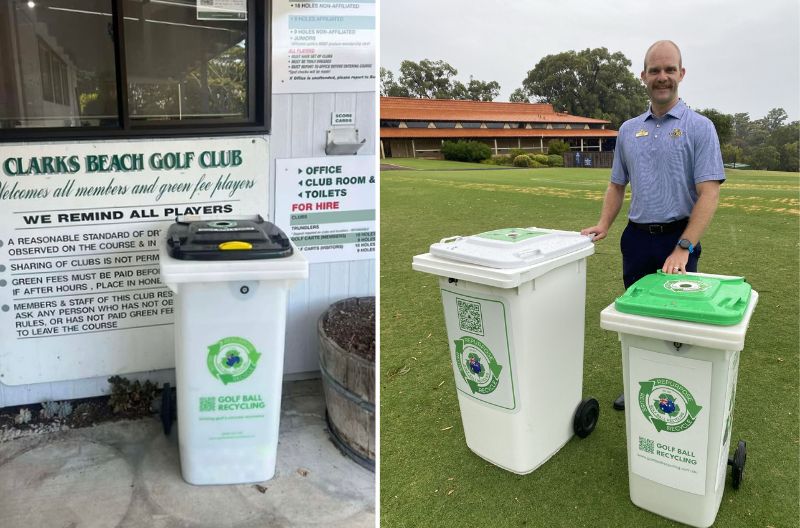
A simple solution provided by Golf Ball Recycling (GBR) is to simply dispose of your golf balls responsibly into GBR’s Reuse Repurpose Recycle bins. GBR partners with golf courses, driving ranges, local councils, and waste transfer centres to collect old, unwanted and damaged golf balls. These golf balls are given a second life, with good balls returned for reuse, and end-of-life balls shredded and repurposed into new products.
Why Does Golf Ball Recycling Matter?
Landfill and waste transfer costs continue to rise, and amidst the looming landfill crisis, reports warn that Sydney is projected to run out of landfill space within five years. At the same time, governments are investing heavily in environmental projects, and businesses are now being asked to self-report their carbon footprints.
It’s never been clearer that we can no longer operate at status quo and ignore our environmental impact.
Circularity in Golf
Golf’s circularity is an important conversation happening in the golf industry. The key focus is on adapting the circular economy model (of keeping products and material in circulation and never becoming waste) to the golf industry and the lifecycle of golf equipment. Other important principles to adapt are waste and pollution elimination, and nature regeneration.
While circularity may appear to be a dense and complex topic, there are clubs across the world already making a start by reducing energy use, improving water efficiency, restoring biodiversity, and adopting more natural course management practices.
Circularity is no longer a buzzword. It’s become a necessity.
Golf Circularity Group
Golf has brought people and communities together for hundreds of years. It provides livelihoods, open space, and connection to nature. Now it’s time for golfers, clubs, and businesses to lead by example, by reducing waste, embracing circularity, and caring for the land we play on.
Through their network of like-minded golf and environmental businesses sharing knowledge, and providing impactful solutions, the Golf Circularity Group (GCG) assists businesses, clubs, and councils in transitioning towards a circular economy. Their goal is to develop a practical circular framework for golf, while also providing industry access to tools that help everyone make an impact.
Together with GCG, golfers can:
- Reduce golf’s CO2 emissions, while also reducing running costs.
- Identify strategic partnerships with enterprises supporting circularity.
- Undertake continual professional development training in EOH&S and Circularity.
- Receive circular procurement framework training and certification.
- Engage with Indigenous and Mana Whenua to preserve the history of native land and sea.
- Encourage corporate Australia and New Zealand to support circularity.
Golf is green. Let’s keep it that way.
Next Steps
Sign up for a Golf Ball Recycling bin by contacting sales@golfballrecycling.com.au or visiting www.golfballrecycling.com.au.
To start your circular journey and explore relevant opportunities, reach out to Golf Circularity Group here.
About Golf Ball Recycling
Golf Ball Recycling is Australia and New Zealand’s largest, and first, full-cycle golf ball recycling company. We provide waste management solutions for golf companies and collaborate with local councils, and innovative companies, to transform shredded golf balls and close the circular loop.
About Golf Circularity Group
Golf Circularity Group is a network of industry leaders and innovative changemakers, interested to learn what businesses are doing to reduce their carbon footprint, and assist in protecting the environment.
Rolling out circularity across all sports industries and businesses can only be possible with government and industry support. To create a true circular economy, all stakeholders need to be engaged, from golf courses to driving ranges, retailers, manufacturers and government authorities.