Mowbray Golf Club Seeks Compensation After $30k Water Infrastructure Spend Rendered Void
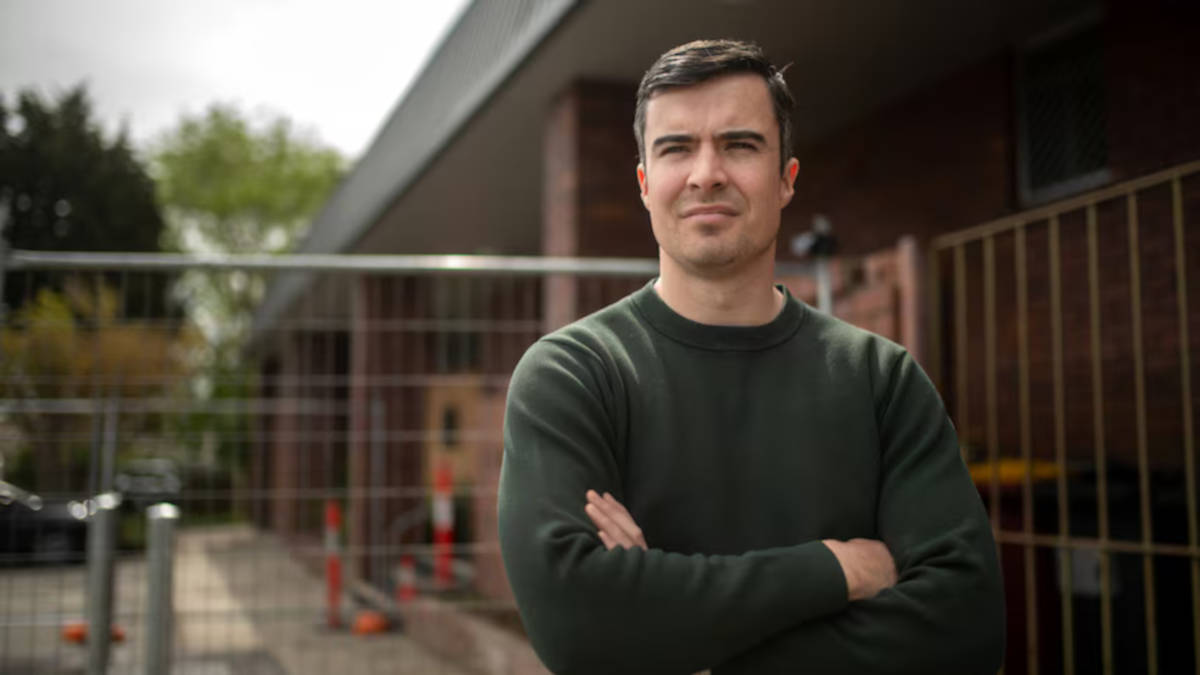
General manager Hayden Roberts says the club has taken a financial hit for no reason. (ABC News: Morgan Timms)
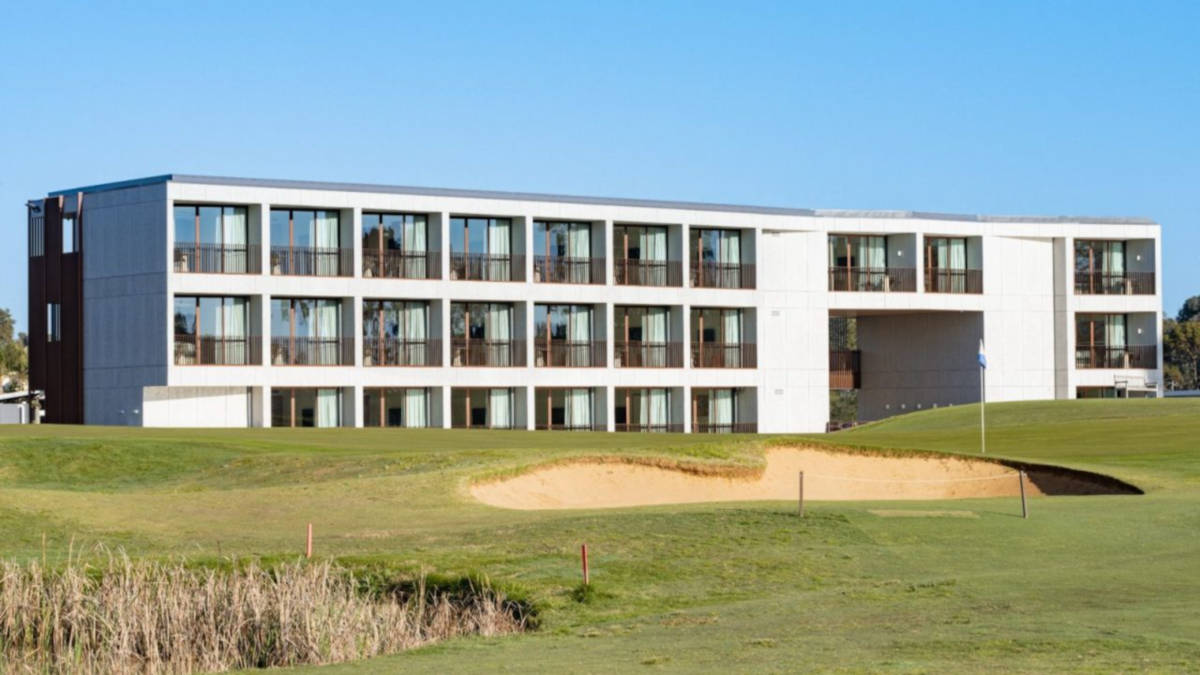
Mowbray Golf Club in Launceston is calling for compensation from TasWater after spending an estimated $30,000 on infrastructure changes in response to a billing policy that TasWater subsequently reversed.
The issue stems from a July 1 policy change by TasWater that shifted sewerage billing from usage-based calculations to fixed charges based on water pipe connection size. As a result, Mowbray Golf Club saw its annual water bill double from $20,000 to approximately $40,000 due to its 100-millimetre pipe connection. The club noted that it only uses the 100mm connection during drought conditions, relying on its own storage for regular irrigation.
To pay for the necessary works, the club raised member fees by 10 per cent. Following advice from TasWater that reducing connection size was the easiest option, the club severed its 100mm connection and shifted its clubhouse and services to a 50mm connection.
Policy Reversal and Call for Remediation
On Friday, TasWater announced a revised policy following concerns raised by local businesses and sporting clubs. Under the updated system, TasWater reduced fixed sewerage charges from $20,000 to under $1,000, opted to charge 100mm connections as 20mm connections, and offered refunds for bills paid since July 1.
The adjustment was made after the golf club had already completed its physical connection changes.
“Everyone’s standing here going, why did we spend all this money?” Mowbray Golf Club general manager Hayden Roberts said. “I know we’re not the only ones that have done such.”
“I think it’s only reasonable at this point that TasWater remediates these situations, whether it be credit or an outright refund of works completed,” Roberts added. “We’ve actually lost an asset in the process of this removal of connection.”
TasWater Response and Regulatory Background
TasWater contacted the club regarding the revised policy but has not provided assurances about compensating the club for the completed work.
TasWater general manager of customers and community Callan Paske acknowledged that other businesses and clubs had made physical modifications based on previous guidance.
Callan Paske from TasWater says the changes had unintended consequences. (ABC News)
“We’re working with those impacted clubs to ensure that we can work through what the final solution is for them,” Paske said. “We understand the customer impact … we need to own that and learn from it.”
The initial sewerage charge structure followed an inquiry by the Tasmanian Economic Regulator requiring TasWater to adopt a fixed and variable charging framework, aligning with methods used in other Australian states.
“What this shows is that in any tariff reform there is nuance and we need to fix those outlier impacts that are in unintended consequences of major change,” Paske said.
Financial and Political Context
The policy reversal represents a $7 million to $14 million impact on TasWater’s bottom line. Paske noted that the utility continues to face funding demands for widespread infrastructure repairs and upgrades across the state.
“We’ve got aging infrastructure, failing pipes, we’ve got growth that we need to cater for, and we’ve got environmental impacts that we’re having that are not what Tasmanians want to see,” Paske said.
The policy resolution followed discussions between TasWater, the Tasmanian Economic Regulator, local councils, and the state government.
Premier Jeremy Rockliff characterized the revision as a “significant and lasing outcome” for local businesses and sporting groups.
Shadow treasurer Dean Winter questioned why the government had not intervened earlier, noting that the state executive holds the power to veto TasWater’s corporate plan following successive price increases.