Hastings Golf Club Secures Approval for 170-Home Master-Planned Development
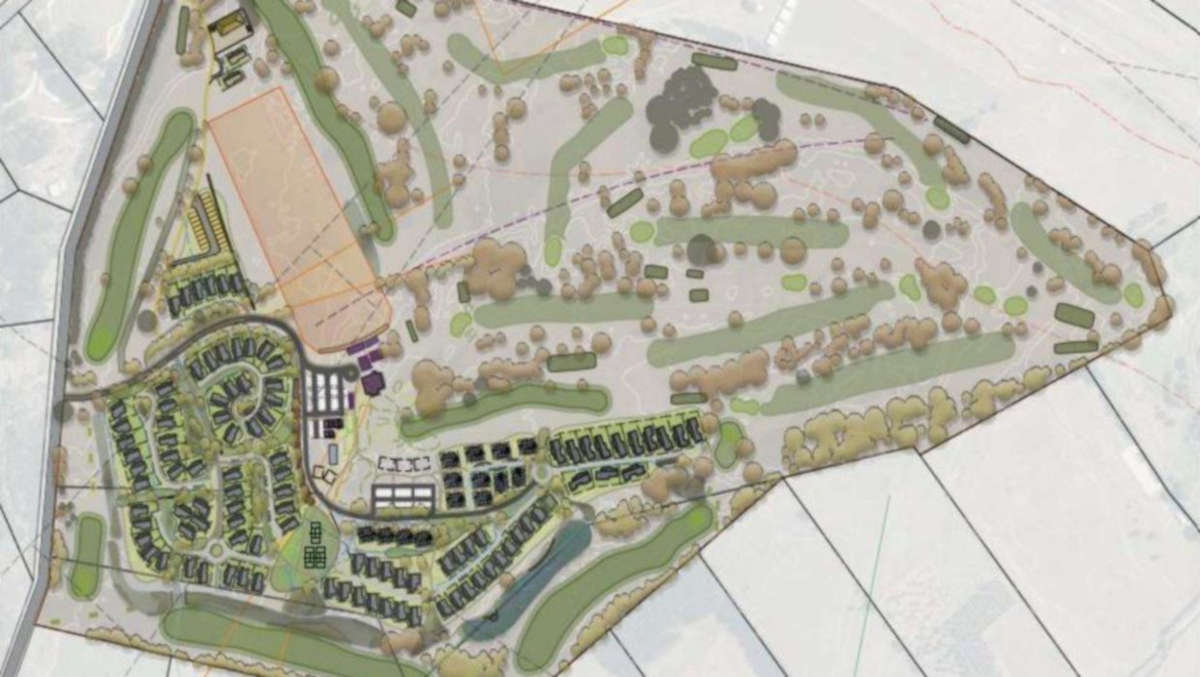
HASTINGS – A major redevelopment proposal to construct 170 dwellings at the Hastings Golf Club has been officially approved, paving the way for a transformation of the site into a world-class golf and tourism hub.
The decision, handed down by an independent hearings committee following a April hearing, grants a private plan change application submitted by the club in partnership with Golf Sport Development Limited Partnership (GSDLP).
Under the approved plan change, the club’s 82.12-hectare property near Hastings will transition from its current “Plains Production Zone” designation to a custom-created “Heretaunga Golf Tourism Zone.”
Driven by a need to secure funds for essential course upgrades and facility improvements, the project aims to turn the venue into a premier destination for international and domestic travel. Representatives from GSDLP noted that the venture would offer a unique regional drawcard, encouraging visitors to extend their stay in Hastings rather than passing through or making day trips.
In its decision, the panel emphasized that the rezoning goes beyond a simple administrative change.
“Together, the two layers are intended to retain and enhance the golf course while allowing selected parts of the property to support residential, tourism, recreation and complementary activities that fund and sustain its long-term operation,” the panel stated, adding that the framework establishes a site-specific planning model to protect the club’s ongoing recreation operations while enabling long-term growth.
The decision comes despite strong opposition during the public notification phase. The majority of submissions opposed the application, with many originating from the local aviation community, users of the nearby Hastings Aerodrome, and members of the Hawke’s Bay Car Club.
Primary concerns centered on “reverse sensitivity”—a scenario where incoming residential developments lead to noise complaints and operational restrictions against established neighboring facilities. The issue initially prompted a council planner to recommend declining the application, citing doubts about whether proposed “no-complaint covenants” could legally safeguard the nearby airfield over time.
While acknowledging that covenants are not a total fix, the panel ruled that title notifications and legal acknowledgments remain effective tools for ensuring new residents are fully aware of the surrounding aviation environment.
To mitigate these concerns, the panel mandated that all future residential and visitor accommodation titles include a restrictive legal covenant. The condition prevents property owners and occupiers from pursuing legal action or damages regarding noise, nuisance, or interference stemming from standard aerodrome operations.
Following minor modifications agreed upon by the golf club, GSDLP, and the panel during the process, the committee concluded that the revised provisions appropriately balance local land-use needs, community concerns, and the future viability of the sport venue.