NZ Golf backs European Tour’s new “monitoring” penalty to eradicate slow play
World No 1 Jordan Spieth was the first player to come under attack from European Tour officials in their war against slow play and it’s a stance that New Zealand Golf fully supports.
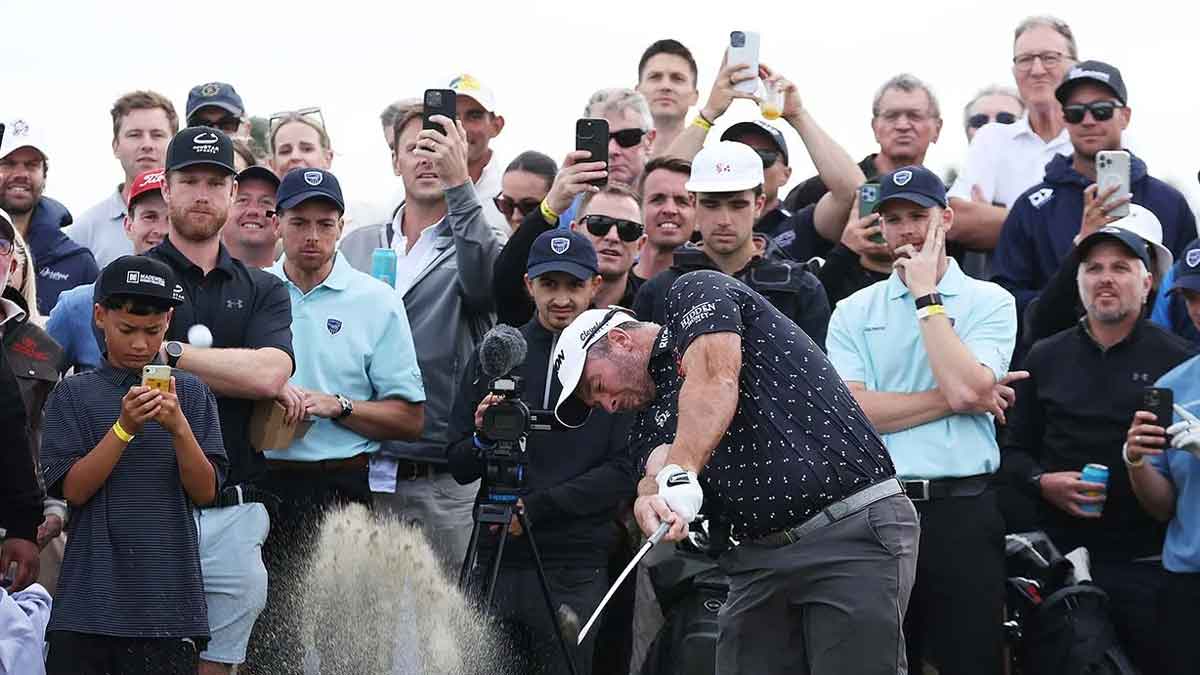
At the Abu Dhabi Championship, the two-time major champion was ruled to have taken too much time to putt on the eighth green, his 17th hole.
He was informed on the tee of his final hole that he had incurred a “monitoring” penalty under a new system which was put into place this week and announced to players on Tuesday.
Under the new rule, a player has 40 seconds to hit his shot (50 seconds if he is the first to play in the group) after being advised the group is being monitored. Under the system, players are subjected to monitoring if their group is out of position.
New Zealand Golf’s General Manager Dave Mangan, who is the New Zealand representative on the R & A Committee, had little sympathy for Spieth and backed the European Tour in what they are trying to achieve.
“Without knowing the specific details around the incident I understand that the European Tour has bought in new regulations around pace of play in 2016, so obviously Spieth fell foul of the new regulations which all players will have been made aware of,” he said.
“With the No 1 player in the world being the first player to be assessed a penalty it’s getting a fair bit of press around the world, but [European Tour’s chief referee] John Paramor is one of the most experienced officials around the world and it’s showing that just because you are the world No 1 in the marque group, you’re not immune to these penalties.”
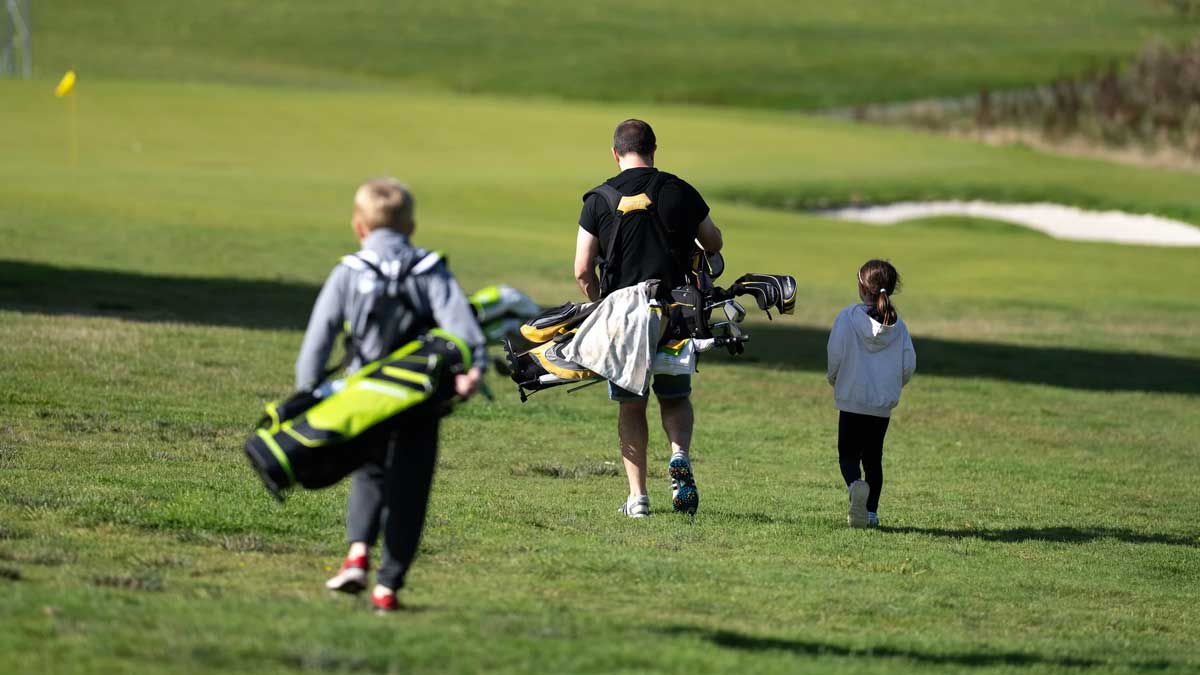
Back home, Mangan said that pace of play was a “massive issue” with golf clubs around New Zealand as the governing body looks to arrest the trend of declining club membership.
“We hear it all the time from golfers that rounds of golf take too long,” he said.
Mangan believed that golf fans are watching the top players in the world on TV and seeing that they do take a considerable amount of time over their shots.
He said that the European Tour is taking a leadership position on correcting this and all the players will have bought into this new policy.
“I think it sends a good message at the start of the season,” he said.
“If professional golfers in major tournaments can reduce the time they take to play a round of golf hopefully it can have a flow on effect to club golf.”
The European Tour’s new chief executive Keith Pelley has declared it his mission to speed up the pace of play with five-hour-plus rounds around the world killing the game.
Spieth, making a rare appearance on the European Tour, clearly felt aggrieved about the incident and believed he had done nothing wrong.
“It was a bit odd,” said Spieth. “The guys behind us hadn’t even reached the fairway. So it didn’t make any sense to me. If I can, I’ll try and wash it away … because it doesn’t affect this round, but if I get another one, I get fined, and I don’t think there was necessarily a reason to get that bad time. Rory [McIlroy] and Rickie [Fowler] were very surprised.”
His playing partner McIlroy urged the European Tour rules officials to exercise some common sense.
“I’ve played a lot alongside Jordan and he’s far from a slow player,” said the world No 3. “We were not delaying anyone behind us and keeping well up with the group in front, so if we are in position I don’t see the need to say anything. It’s probably a bit of over-enthusiasm in the first round of the first event of the year.”
Under the new rules, two monitoring penalties will result in a fine of €2000 (NZ$3320).
The money would hardly inconvenience Spieth, who was the game’s highest earner in 2015 and this week purchased a $13.3m home in Dallas, but he could do without the headlines and the added pressure.
By standing firm on the issue with the game’s most successful player in recent time the European Tour is making an unapologetic stand to eradicate slow play.